KwaZulu-Natal opposition parties described Premier Nomusa Dube-Ncube’s State of the Province Address as an “election speech”. In her speech, Dube-Ncube focused on the provincial government’s recent achievements, as well as tracing the ANC government’s achievements from around 2024 when ruling party deployees assumed key positions in the KZN provincial cabinet.
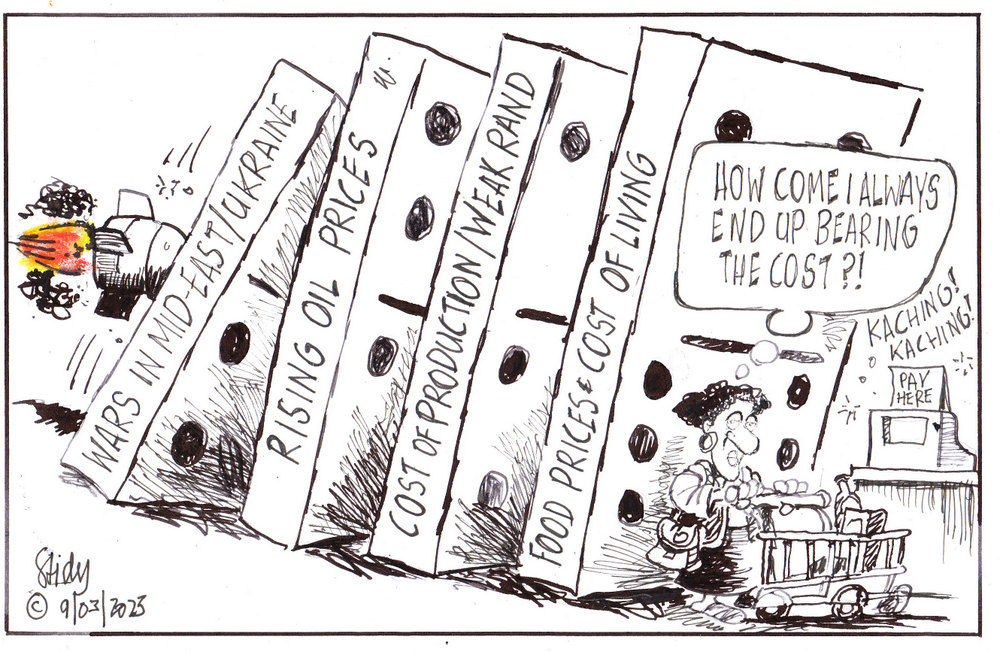
In a blow for cash-strapped consumers, there was another steep increase in the fuel price with petrol going up by R1,20 per litre while diesel increased by R1,18.
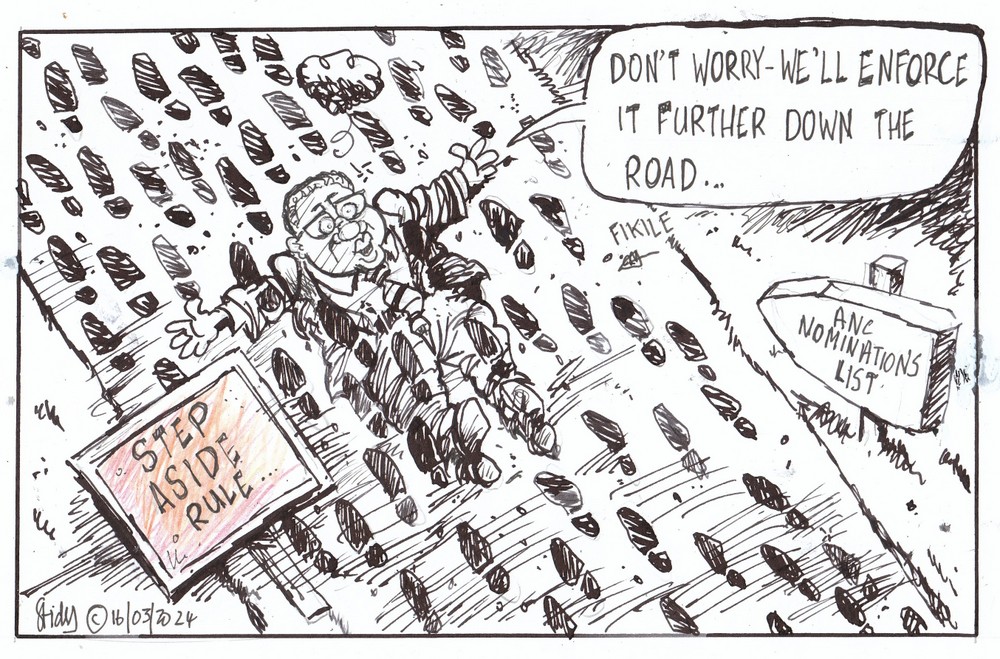
Despite promising that they would not include ANC members who have been implicated in State Capture, a number of them made it back onto their nomination lists for the 2024 elections.
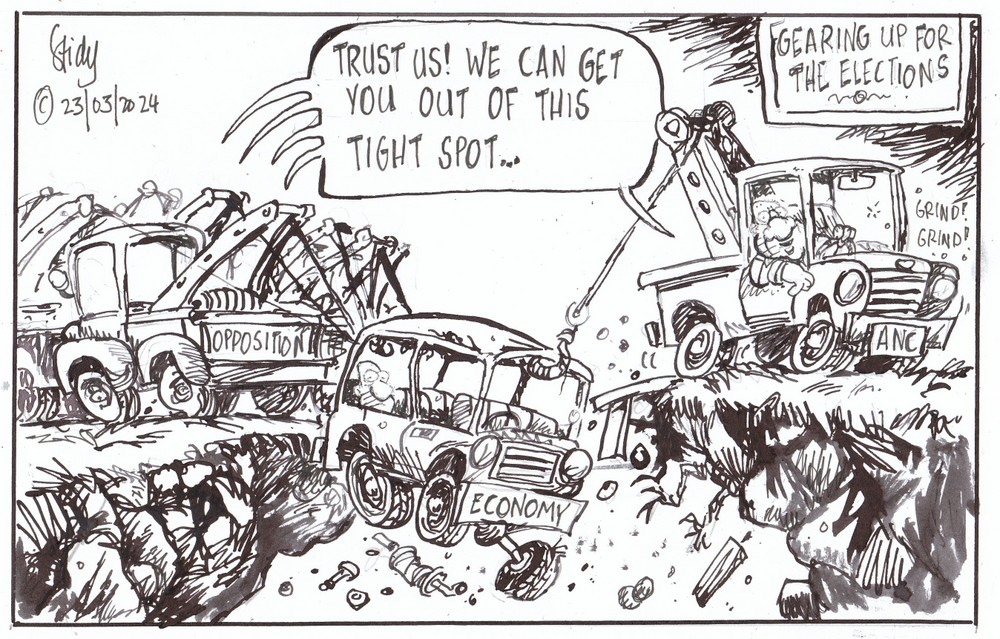
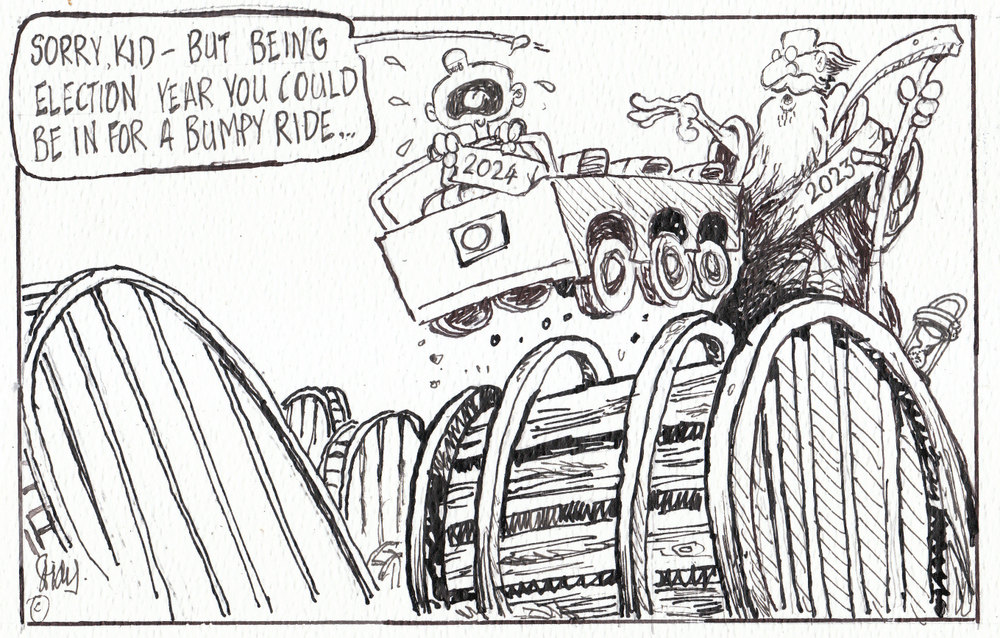
Election season got into full swing with the various parties all promising they had the solution for the country’s myriad problems.
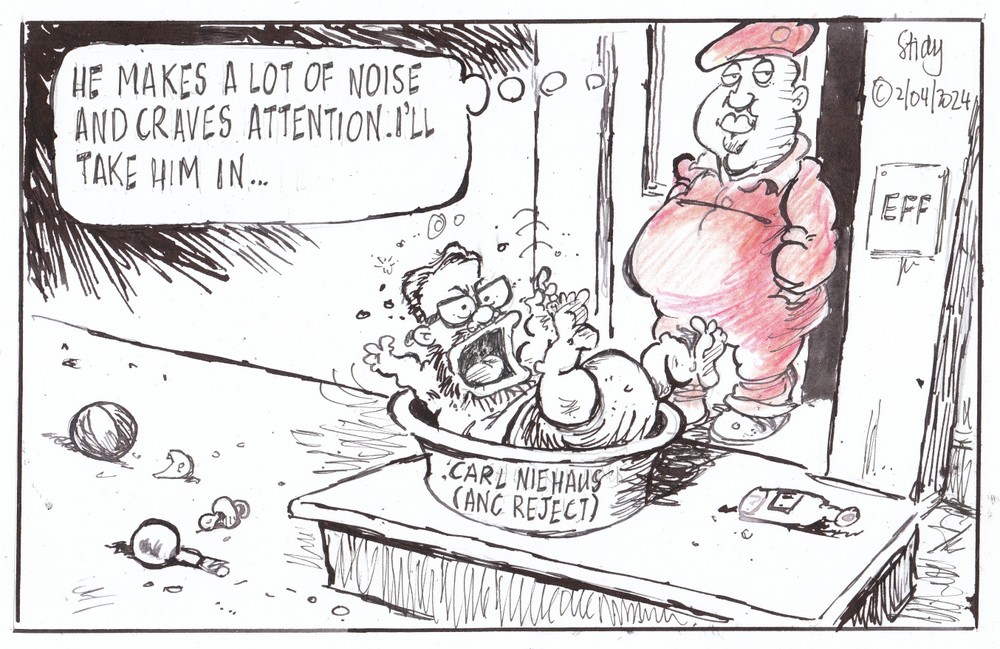
Former ANC member veteran and African Radical Economic Transformation Alliance (Areta) leader Carl Niehaus was among the top candidates on the Economic Freedom Forum (EFF) list of people headed for the National Assembly after the elections were held. Niehaus joined the Red Berets after dumping his party, Areta, which he founded after he left the ANC.
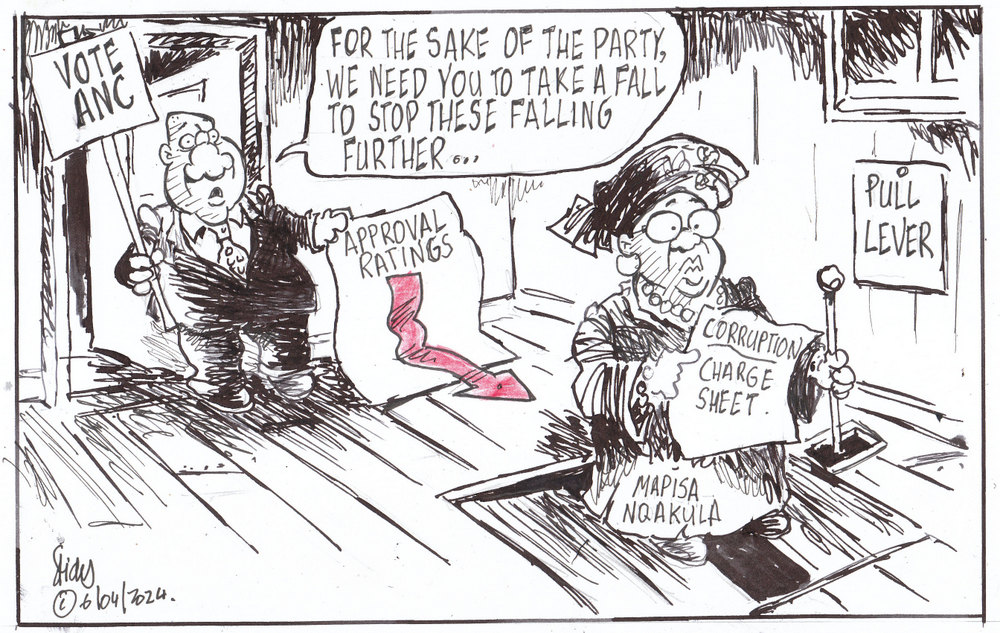
ANC leaders close to corruption accused National Assembly Speaker Nosivwe Mapisa-Nqakula of encouraging her to resign to save the party the embarrassment of defending her during a pending motion of no-confidence.
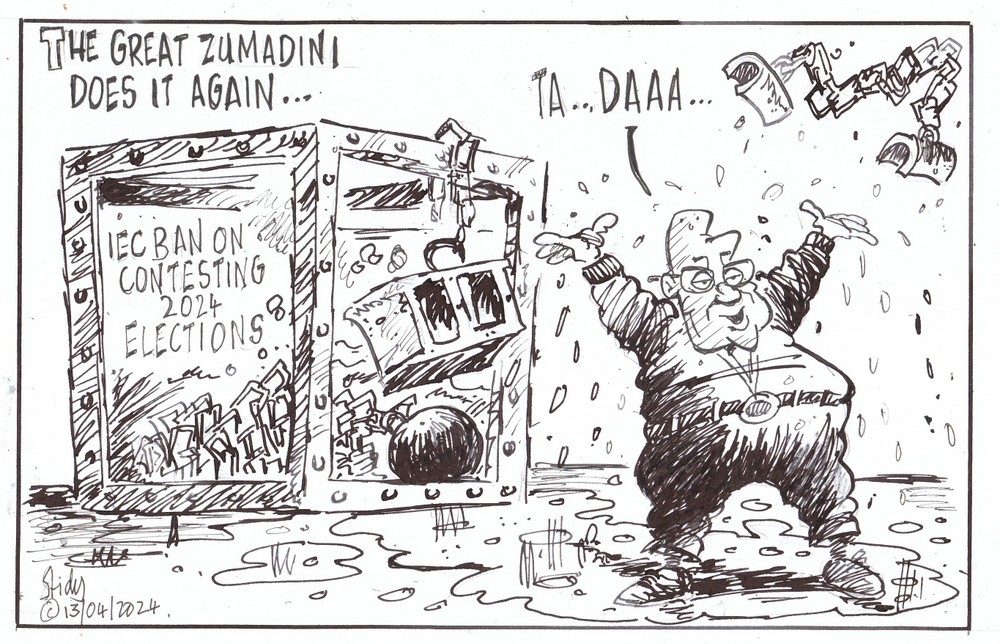
The Electoral Court overturned an IEC ban and declared former president Jacob Zuma free to stand in the 2024 elections despite his criminal conviction.
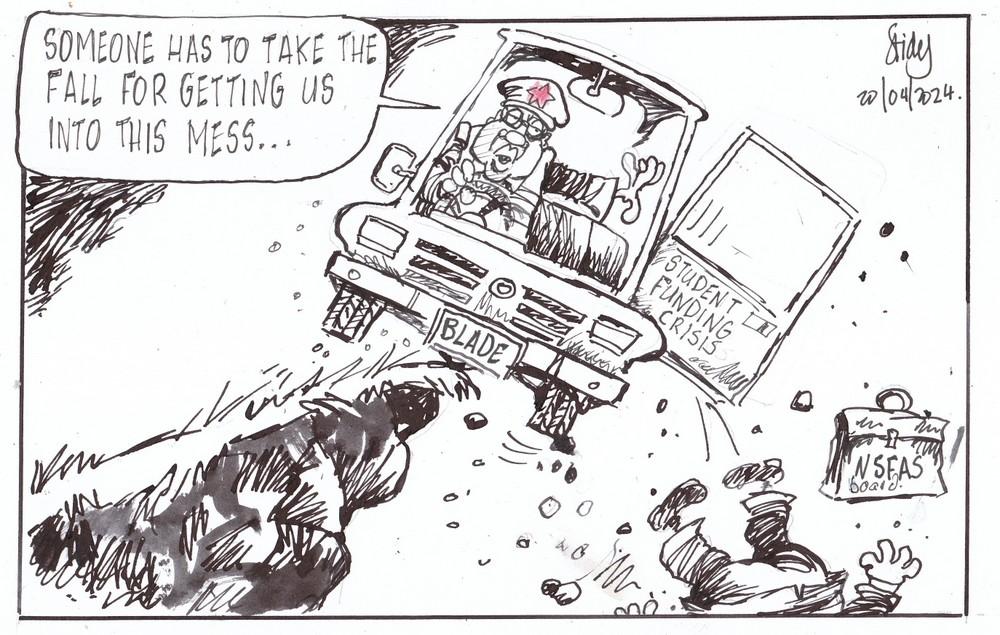
Higher Education Minister Blade Nzimande said he had dissolved the embattled National Student Financial Aid Scheme (NSFAS) board because of the member’s inability to carry out basic responsibilities, including the payment of student allowances.
On the campaign trail in KwaZulu-Natal, President Cyril Ramaophosa vowed there was “no turning back on the implementation of the NHI”, which he said was part of the ANC’s programme to bridge the gap between the rich and the poor.
A Pietermaritzburg architectural landmark, the Post Office in Langalibele Street, was described as being in a state of “disrepair” and “unhygienic”. One of the reasons many of the South African Post Office facilities are falling apart is that the entity is bankrupt and hasn’t been able to pay rentals and utility bills for water and electricity.
An angry ANC Secretary-General, Fikile Mbablula dropped a bombshell when he admitted the ANC tricked Parliament into protecting ex-president Jacob Zuma in the Nkandla “fire pool” debacle.Commenting on his disclosure, ANC National Chairman, Gwede Mantashe, warned ANC leaders to count their words or they will “catch fire”.
While the ANC geared up for elections, former president Jacob Zuma continued to campaign for the newly-formed MK party while insisting he remained an ANC member. KZN was hit by yet more devastating storms which caused widespread damage.
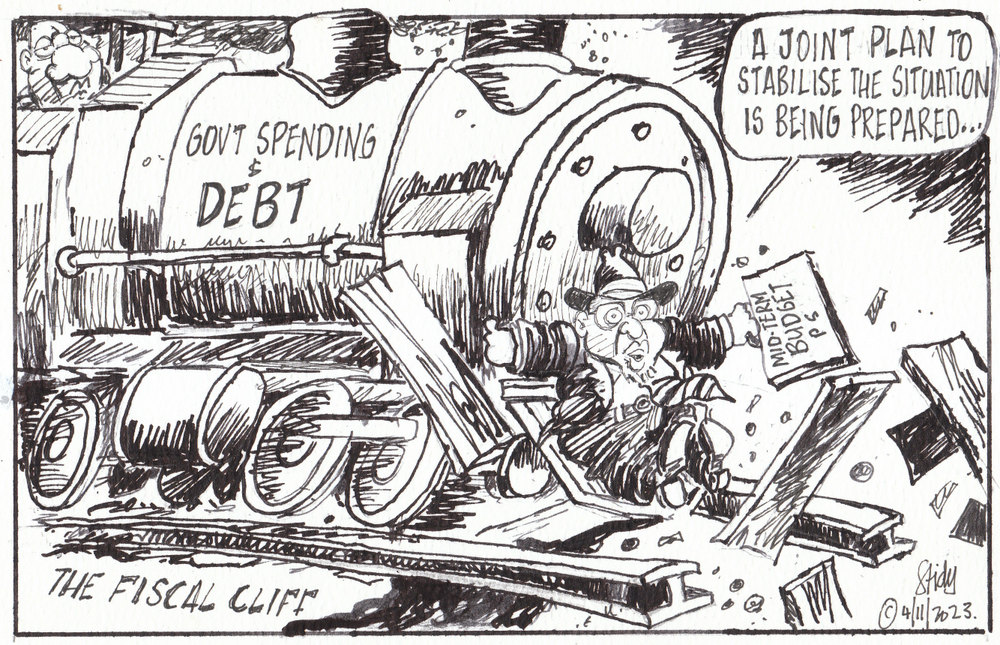
With R4,8 trillion in national debt and a looming fiscal crunch, Finance Minister Enoch Gondongwana faced a difficult balancing act as he prepared the country’s budget. As is customary, he called on South Africans to share their suggestions on the matter.
In a widely expected move, the ANC suspended former president Jacob Zuma, just months before the national elections. Earlier, Zuma had denounced the ANC leadership and said he would be voting for the newly formed MK Party.
As President Cyril Ramaphosa rose to deliver his annual SONA address, opposition parties were smelling blood with polls indicating the ANC would not get a 50% majority. The president, however, remained bullish about the party’s prospects in the forthcoming national elections.
With the latest poll showing support for former president Jacob Zuma’s uMkhonto weSizwe party in KwaZulu-Natal at 24%, the ANC leadership was in a desperate attempt to stop members from defecting to the party. ANC Musa Dladla regional chairman Musa Cebekhulu conceded that some members had joined the party but denied a mass exodus.
Budget 2024: The Treasury managed to avoid a debt blow-out and reverse a plan to implement big departmental budget cuts by asking the Reserve Bank for help. It planned to directly withdraw R150 billion from the accumulated fund of the Gold and Foreign Exchange Contingency Reserve.
As the government’s financial woes worsened, Finance Minister Enoch Godongwana slashed the department’s spending as part of an initiative to conserve money and avert a “fiscal crisis”.
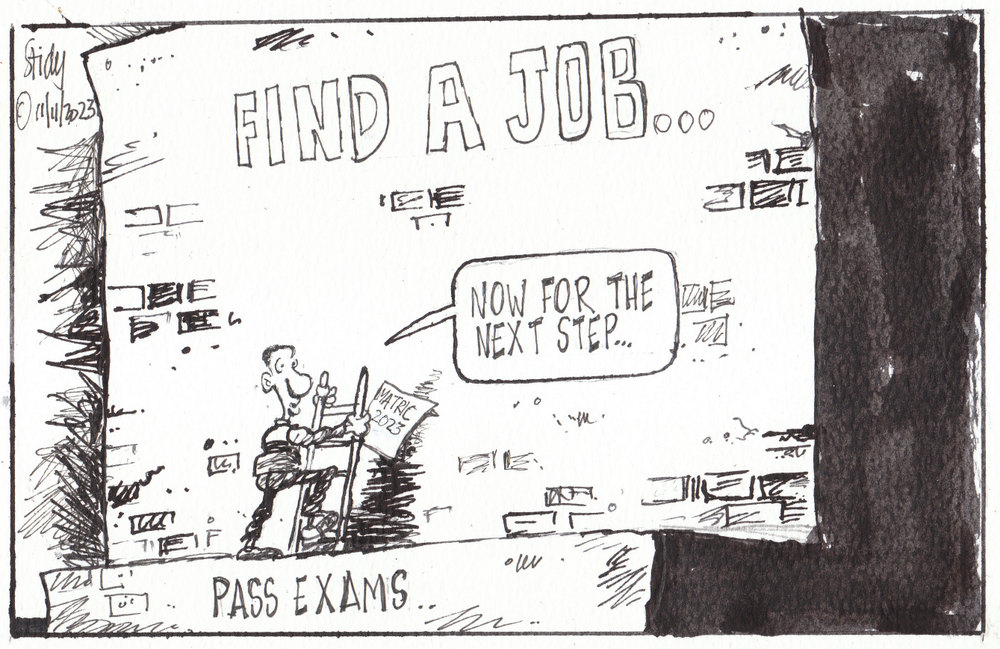
As the matric class 2023 sat for final examinations youth unemployment remained distressingly high.
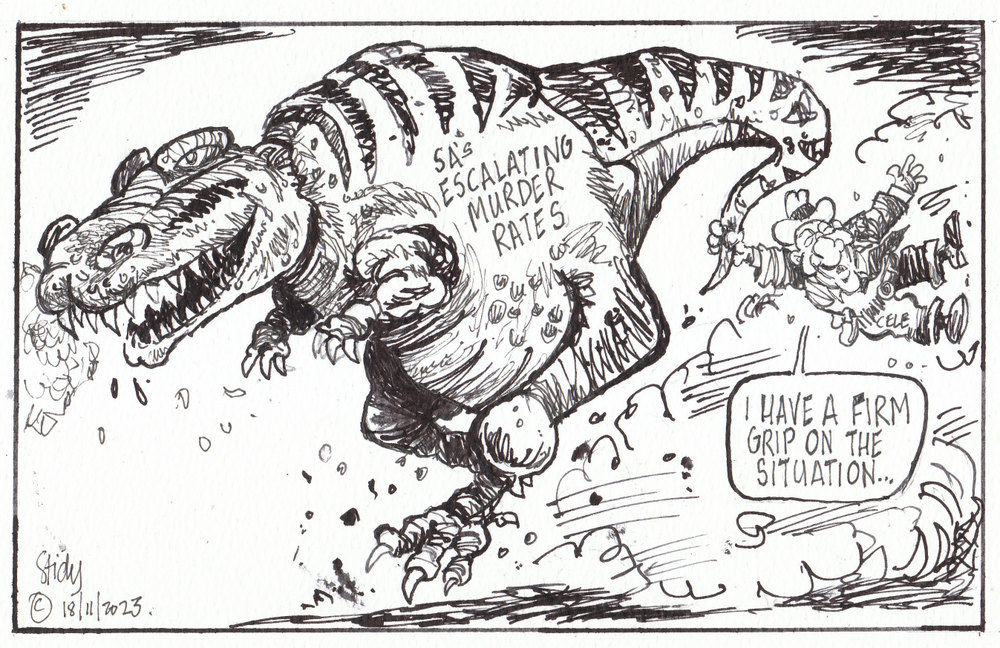
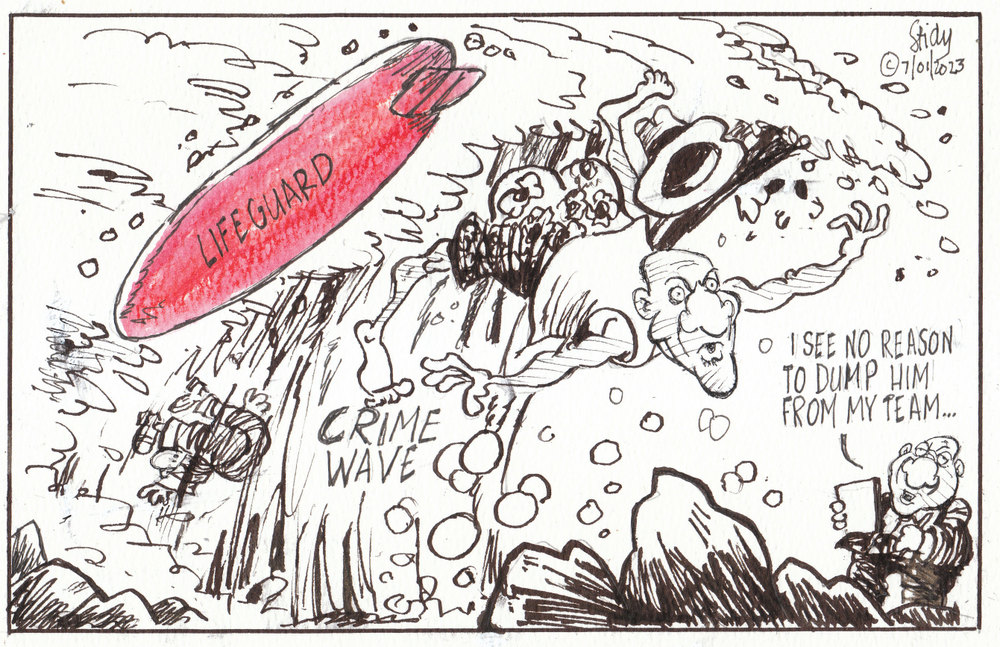
The murder rate in South Africa reached its highest mark in twenty years, with the police powerless to arrest the rising tide of death.
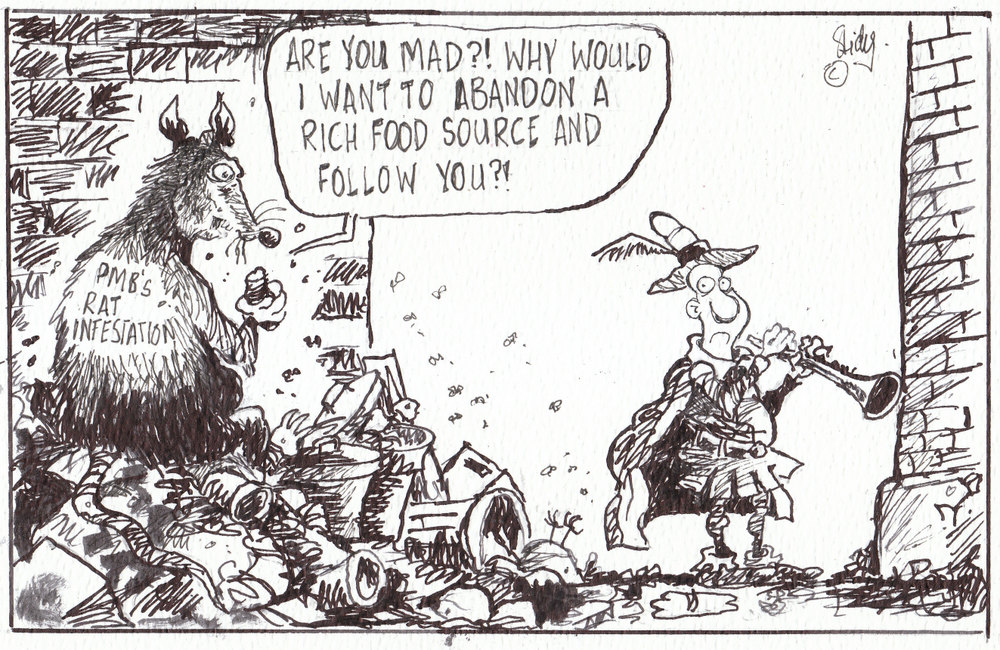
Dozens of state employees who work at a government department in the Pietermaritzburg city centre had to flee their building because of a rat infestation.
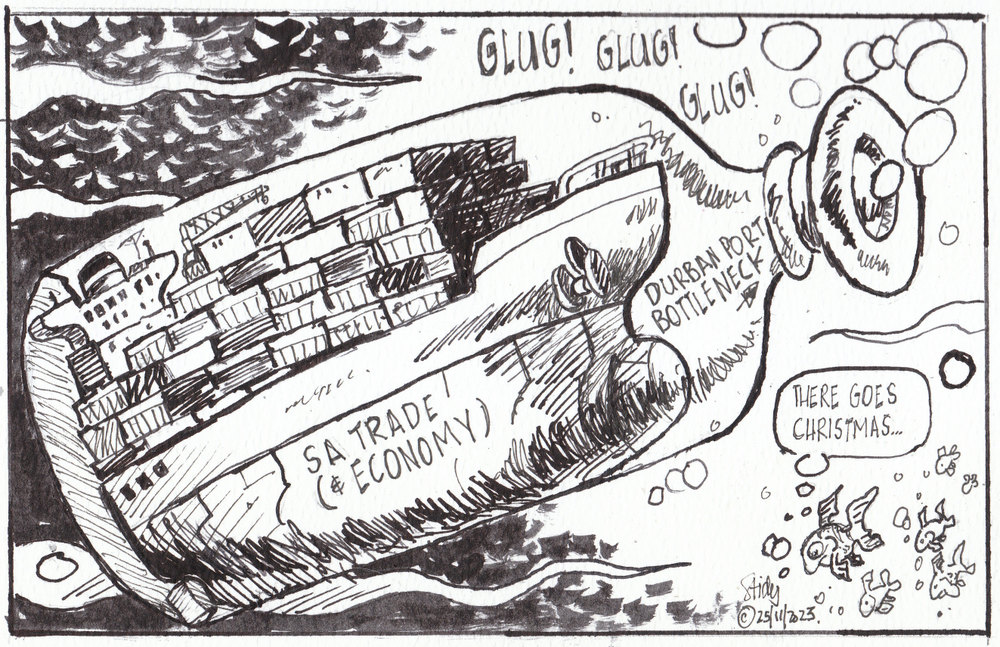
There was chaos at the Durban port as the facility battled a backlog of shipping containers that needed to be processed. Some 57 ships, some heavily laden with festive season goods for the retail industry, were anchored in the outer holding facility awaiting permission to enter the port and offload their cargo.
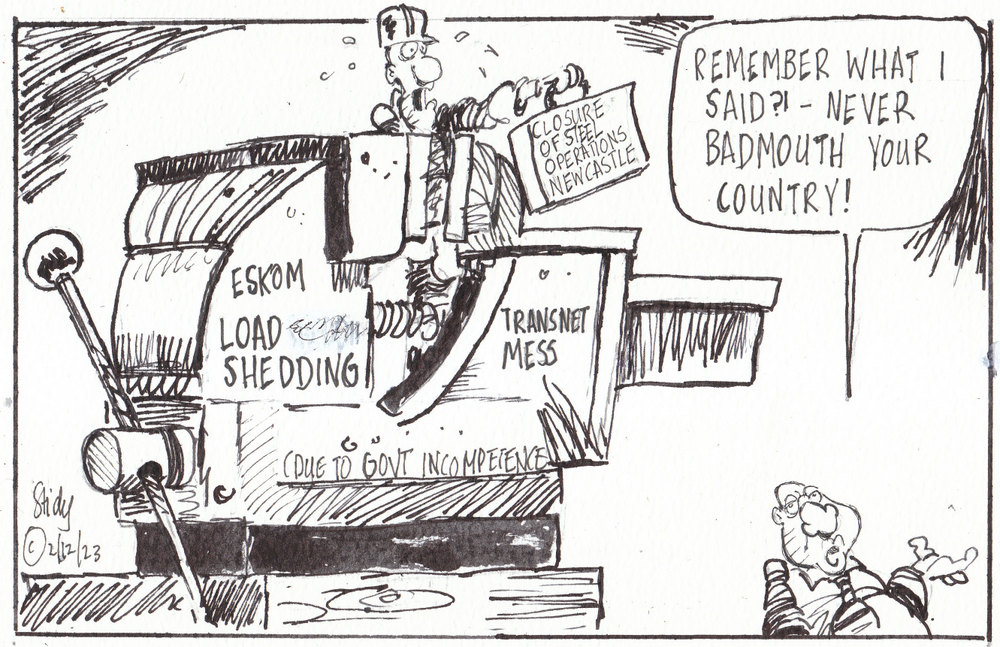
The announcement that Arcelor-Mittal was to close its long steel operations in Newcastle and Vereeniging delivered a devastating blow to the economies of both towns with up to 3500 jobs on the line. The company attributed some of the reasons for the closure to include the current energy crisis and the collapse of South Africa’s logistics and transport infrastructure.
Humanity faced a ‘devastating domino effect’ as the planet warmed, scientists warned as world leaders met for the Cop 28 climate summit in Dubai.
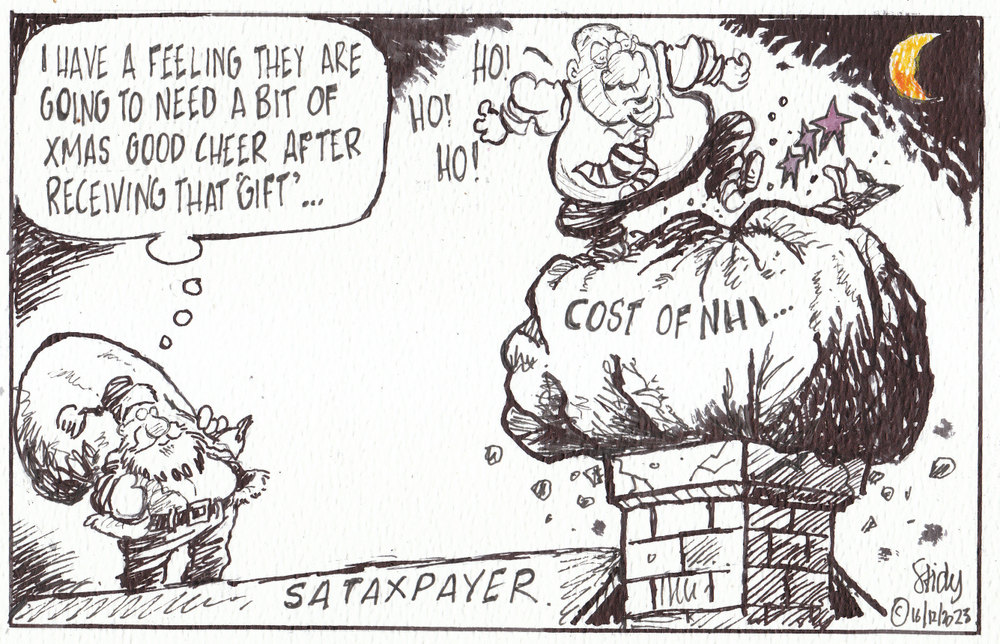
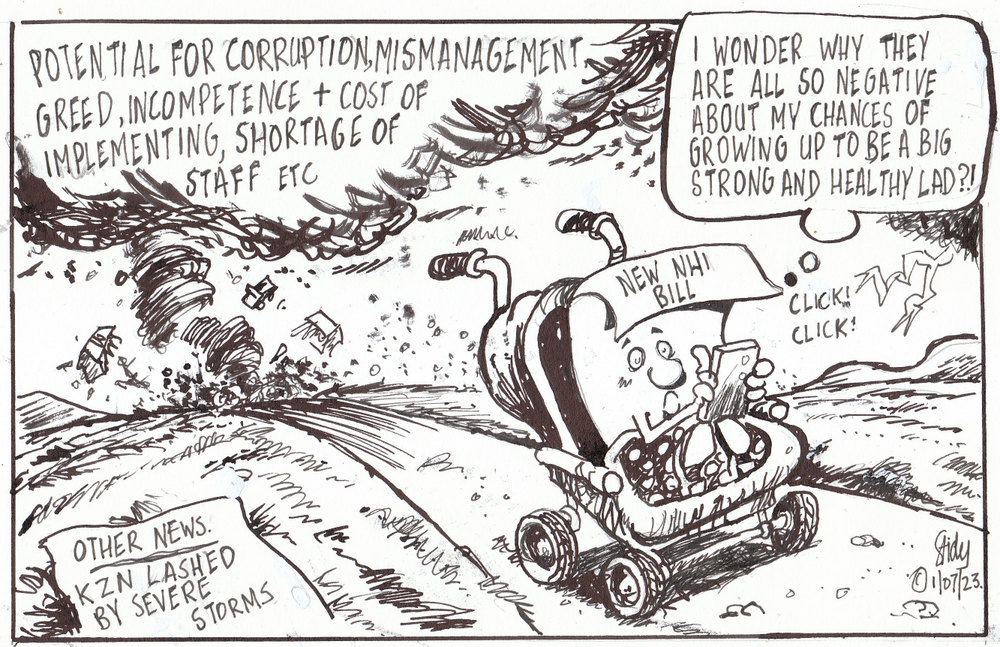
The IFP were the latest party to reject the ANC-backed National Health Bill (NHI). Critics of the bill said it was unworkable in its current form and ran the risk of collapsing an already struggling healthcare system.
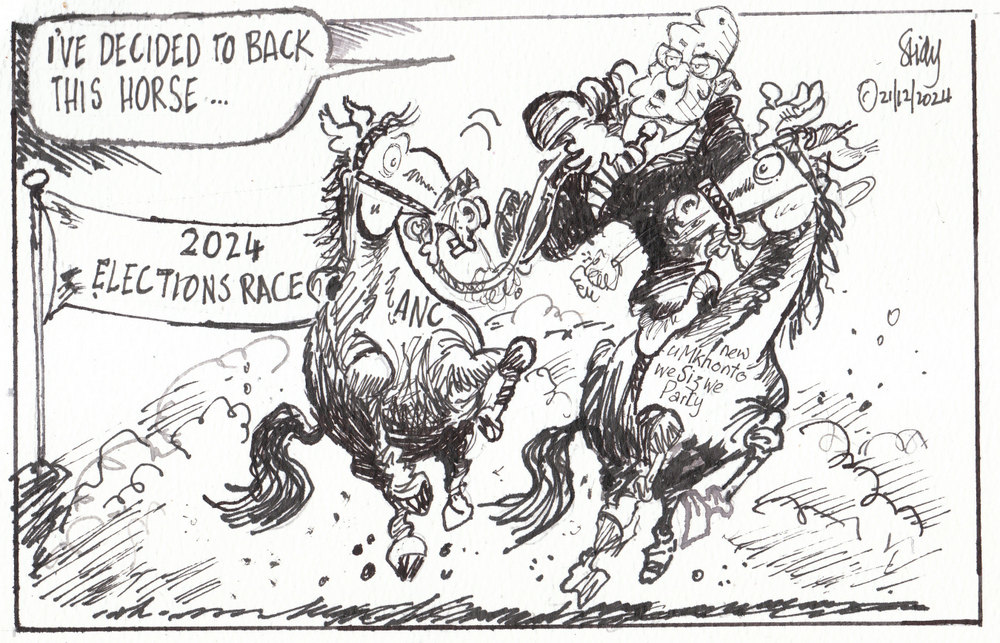
Former president Jacob Zuma created another headache for the ruling ANC when he announced, at a press briefing in Johannesburg, that he would be voting for the newly-formed uMkhonto weSizwe party in the 2024 elections.
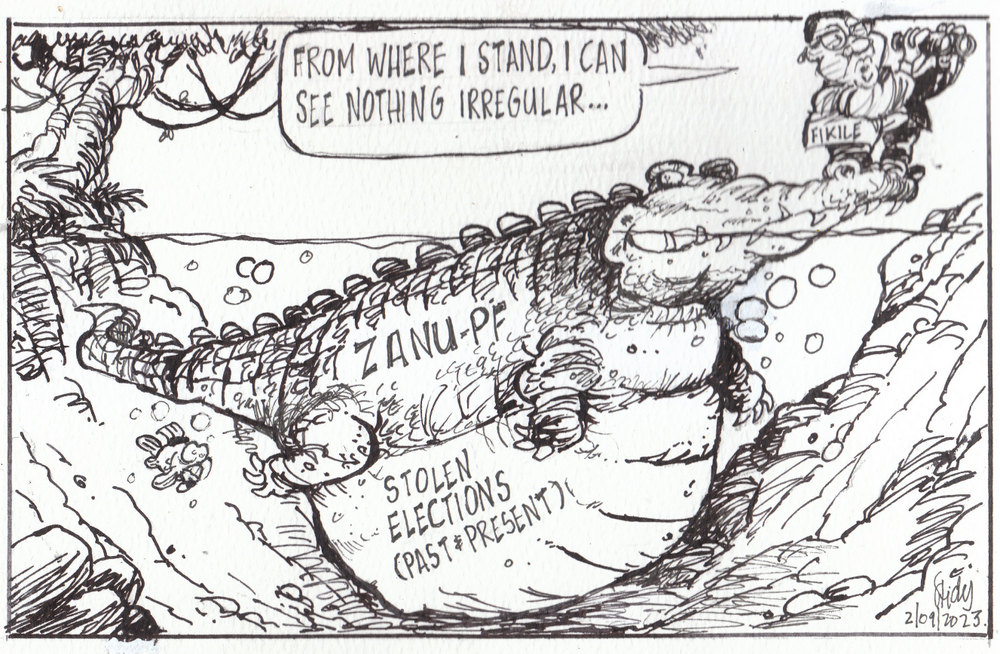
The ANC Secretary-General Fikile Mbalula was quick to congratulate Zimbabwean President Emmerson Mnangagwa and his party ZANU-PF on their election victory despite it being clear from the findings of the Southern African Development Community (SADC) observer team that the election was illegitimate from start to finish.
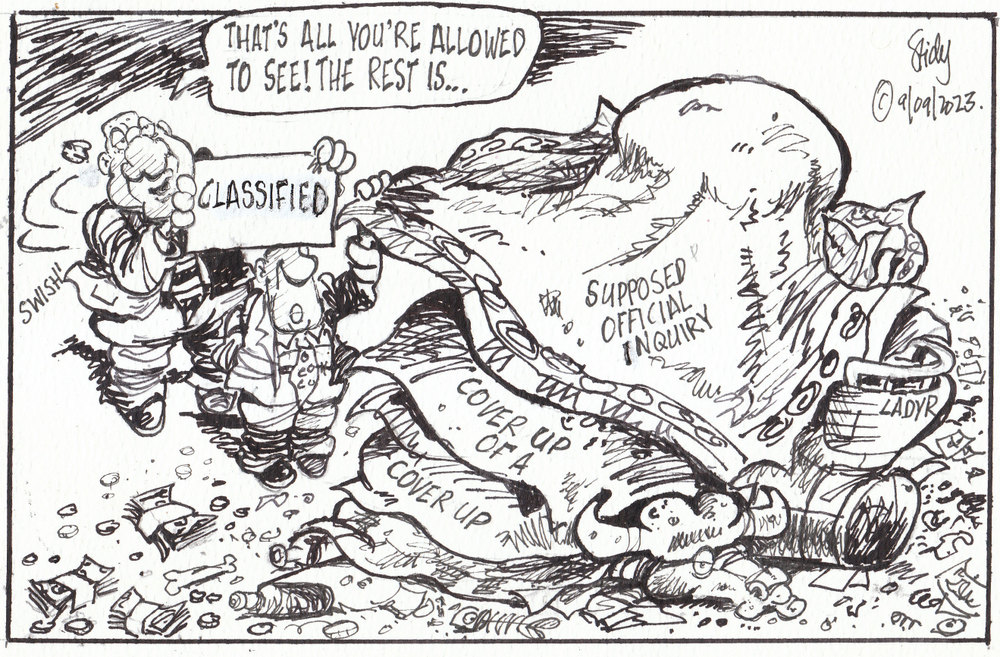
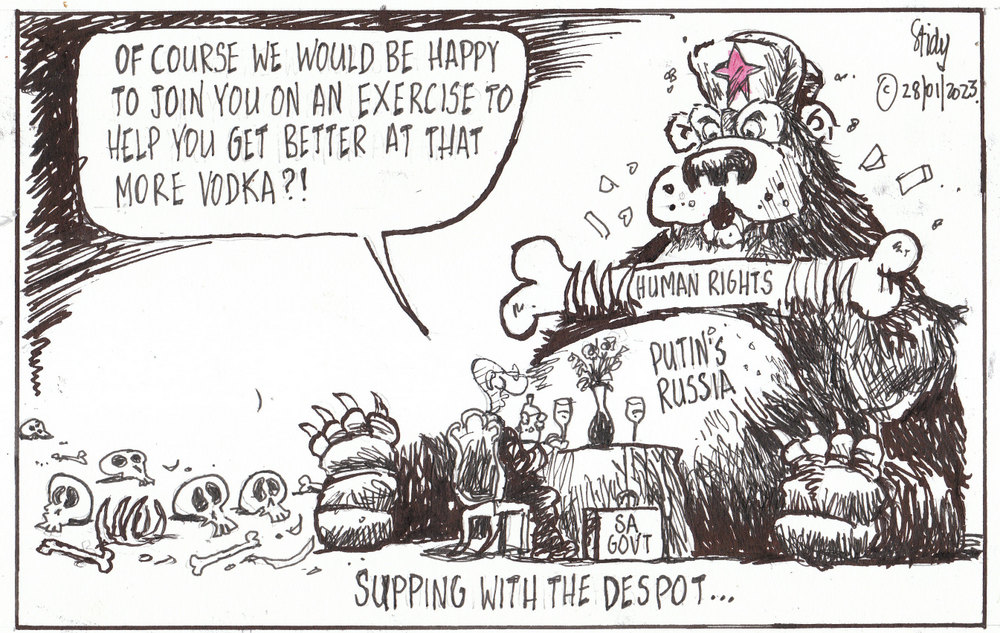
The executive summary of the report into the controversial docking of a Russian ship in Simon’s Town raised more questions than it answered. Despite the highly limited information contained in the summary, an accompanying state from the presidency made the official stance clear “Due to the classified nature of the evidence that informed the report, the government will not publicly engage further on the substance of the report”.
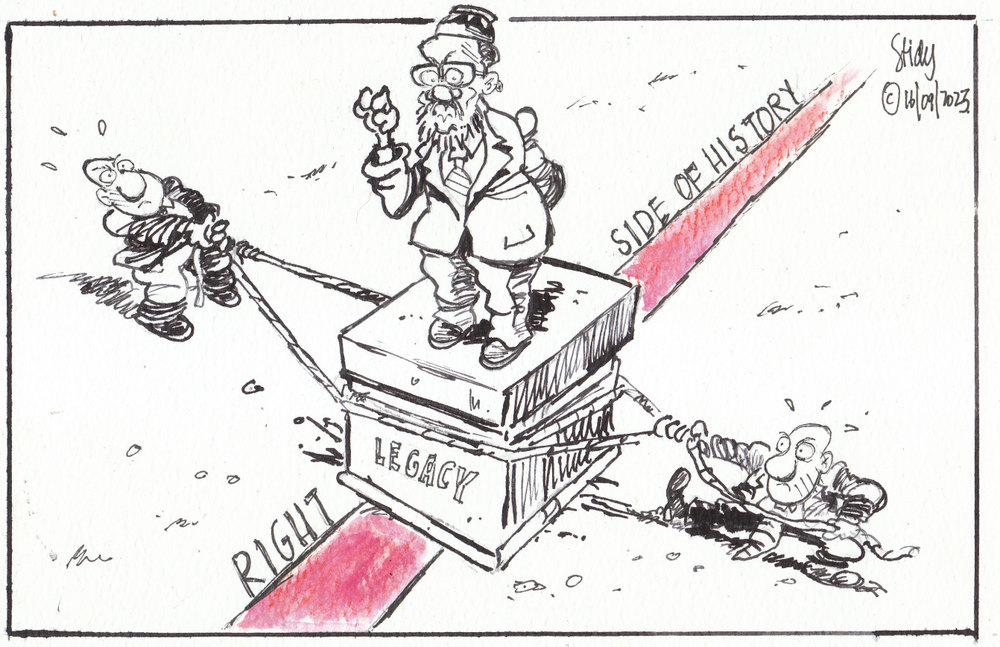
With the death of IFP founder Prince Magosuthu Buthelezi, the IFP in the uMgungundlovu District launched a campaign to have more buildings and public spaces named in his honour. The ANC in the province was divided on how to remember him with many still regard him as an “: apartheid government collaborator”.
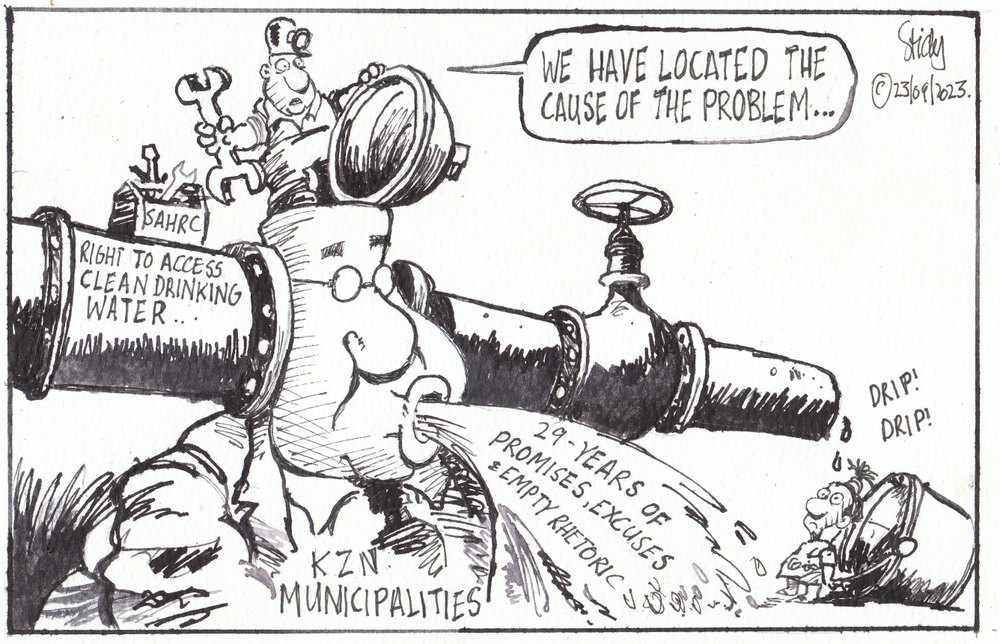
The South African Human Rights Commission (SAHRC) found that in KwaZulu-Natal municipalities and water service authorities (WSA) have violated resident’s rights to access clean drinking water.
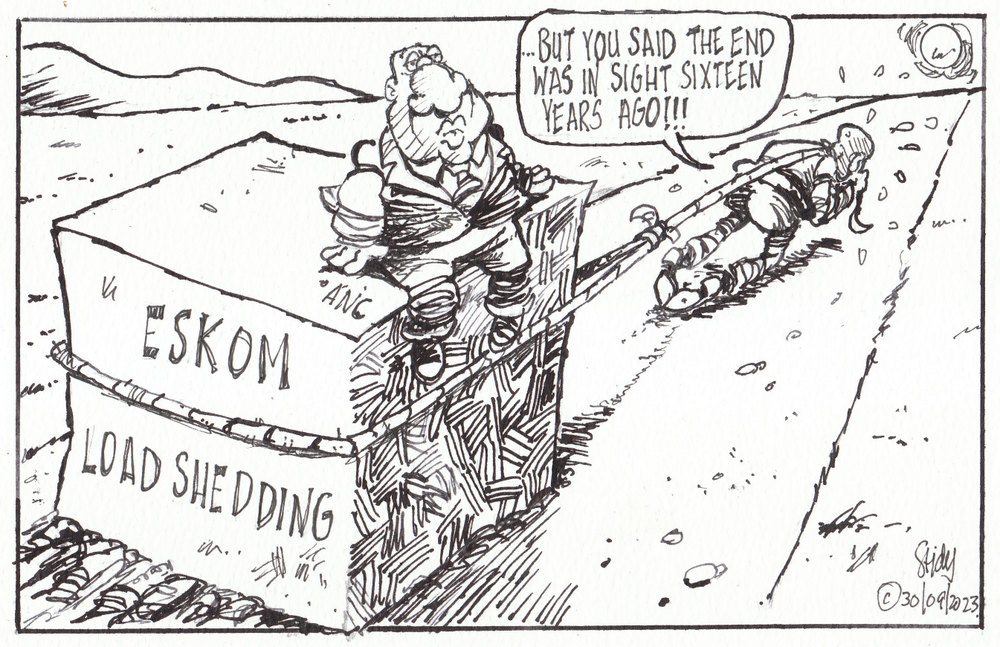
Giving an update on plans to deal with the many crises affecting the country, President Cyril Ramaphosa repeated his old promise to end load shedding.
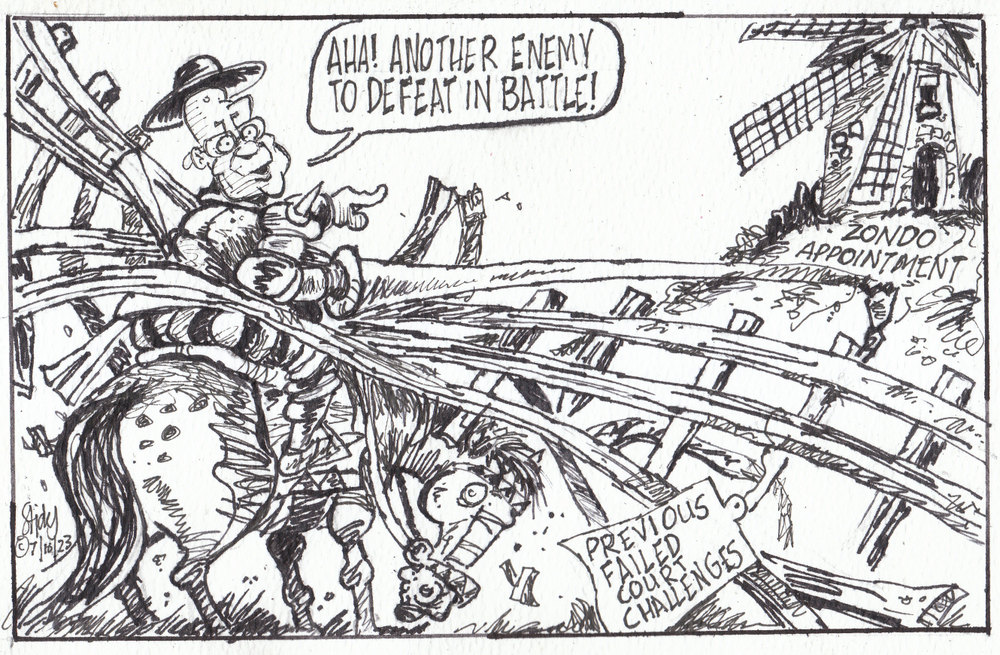
In another act of political theatre – which most experts dismissed as legal nonsense – former president Jacob Zuma and the Jacob Zuma Foundation approached the courts to review and set aside the “inexplicable” appointment of Chief Justice Raymond Zondo.
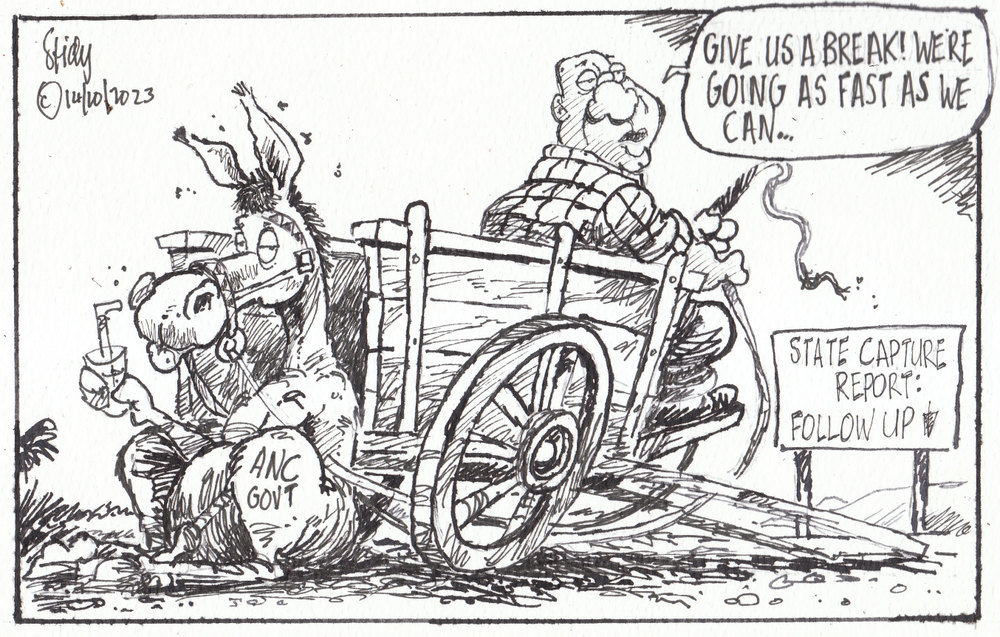
Although the ANC instituted the Zondo Commission into State Capture and accepted its findings, it has done little to defend or follow up on them.
The Pietermaritzburg Economic Justice and Dignity group (PMBEJD) warned of unprecedented economic hardships for the poor should the SA Reserve Bank respond to the current price surge by increasing interest rates.
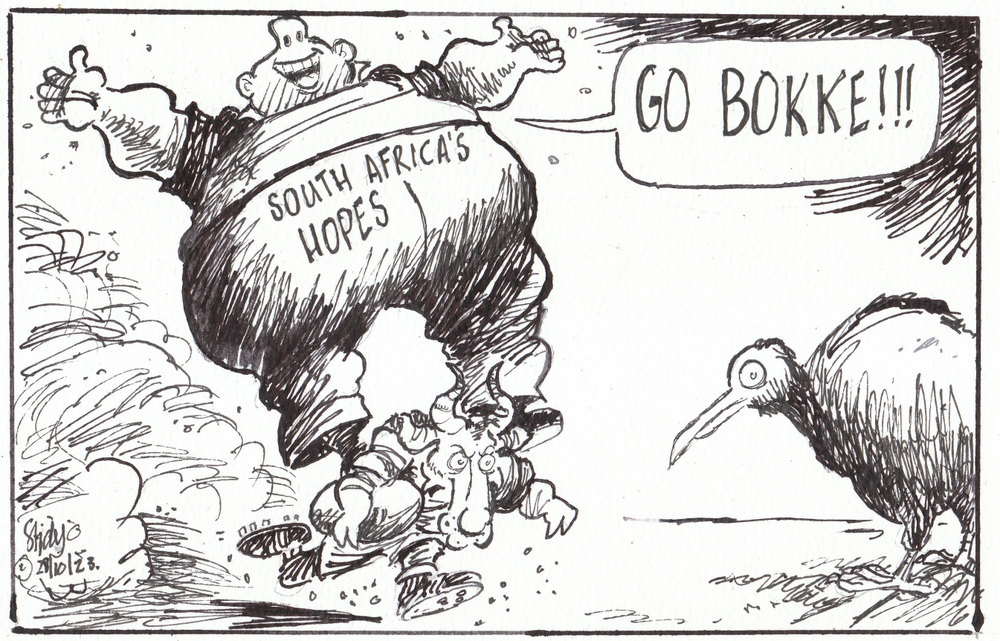
Excitement was running high ahead of the Rugby World Cup final between traditional rivals South Africa and New Zealand. In the end, the Springboks made it back-to-back RWC wins when they held off their traditional rivals 12-11. South Africa also won the title for a record fourth time.
If I had to name the two cartoonists who have “influenced” me the most in my career it would be Carl Giles and Ronald Searle even though their styles are poles apart.
It was Giles who first got me into cartooning.
As a child, my parents used to give me his annual Christmas present every year. His cartoons had an immediate impact on my youthful mind. I fell in love with his drawings of English towns and the countryside and the bustling, chaotic, lawless world of his “family”.
It all seemed so cosily, quintessentially British even though, at that stage, I had never been anywhere near the country. When I finally did and saw how accurate his portrayal was it only made me admire his genius more.
I discovered Ronald Searle a little later on and was equally enthralled. If Carl Giles made me decide I wanted to be a cartoonist, Ronald Searle, with his darker, more hard-hitting brand of, humour became the one I wanted to be like. Not for nothing has Searle been described as “the most joyously vengeful pictorial satirist since Cruikshank.”
A superb graphic artist with a decidedly quirky sense of humour, his trademark scratchy, ink-splattered-style of drawing and taste for the grotesque have proved to be hugely influential and he has been widely imitated by a whole range of cartoonists, among them Gerald Scarfe, Ralph Steadman and the Americans Pat Oliphant, Jeff MacNelly and Mike Peters.
‘War and Patriotism’. The Great British Songbook
Searle, himself, often expressed surprise at people’s reaction to his, at times, heavily distorted caricatures. In the introduction to his book ‘Ronald Searle in Perspective,’ he wrote: “I had the inborn advantage of the eccentric, the abnormal seeming to me… perfectly normal and not at all a caricature of ‘proper’ behaviour as demanded by ‘them’ from outside.”
Born in England in 1920, Searle was forced to leave school at 15 because his family could not afford further education. Taking a job as a solicitor’s clerk, he financed his evening art classes out of his own earnings. While thus employed he started sending his cartoons to the Cambridge Daily News who were only too happy to publish them. In 1938 he won a full-time scholarship to a local art school.
Enlisting in the Territorial Army at the outbreak of the Second World War, Searle was captured by the Japanese and forced to work on the infamous ‘Death Railway’ from Siam to Burma where, along with his fellow POWs, he endured numerous harsh beatings at the hands of his captors (including one where they smashed his hands), starvation, dysentery, Dengue fever and malaria, as well as witnessing the death of many of his comrades.
Corpse at Bukit Timah, Singapore, January-February,1942
At significant personal risk to himself and using whatever scraps of paper he could lay his hands on, Searle set about portraying the squalid conditions of camp life; the harrowing set of drawings he produced during this period provided a uniquely important record of the horrors of war.
The publication of Searle’s wartime drawings was followed by the St Trinians series, for which he is still probably best known and whose legacy he came, in later years, to regard as something of a burden. Almost as well known were his illustrations for Geoffrey Willans’s series of books about the myopic schoolboy Nigel Molesworth, also known as ‘The Curse of St Custard’s’.
Searle’s wartime experiences undoubtedly affected his worldview and darkened his humour; under his scabrous pen forms began to billow, bulge and explode, lines stabbed and splattered. It also seems to have affected his attitude to his home country.
In 1961 he suddenly packed his bags and quit England for good, taking up residence with his second wife in a remote village in Haute Provence where he continued to develop his artistic range and powers of invention in a dazzling flow of cartoons, portrait caricatures, reportage pieces and illustrations for such popular books as The Rake’s Progress, From frozen North to Filthy Lucre, Searle’s Cats, The Square Egg, The King of Beasts and Other Creatures and The Illustrated Winespeak.
Elegant but lacks backbone. From The Illustrated Winespeak
Unquestionably, one of the most important cartoonists and social commentators of the past century, Ronald Searle’s drawings have come to be admired by his fellow cartoonists, the public, art critics and historians, and even by his victims. Refusing to recognise the limits imposed by decorum or good taste, he turned his art into a powerful – and amusing – weapon. He will be remembered, in the words of the writer Stephen Heller, as “a satiric magician, able with the flick of a pen to anthropomorphise the most unlikely beast into a reflection of man’s foibles.”
South Africa’s National Assembly approved the National Health Insurance Bill which aims to ensure all South Africans have access to quality healthcare, a plan its critics argue will be financially unsustainable and impossible to implement effectively.
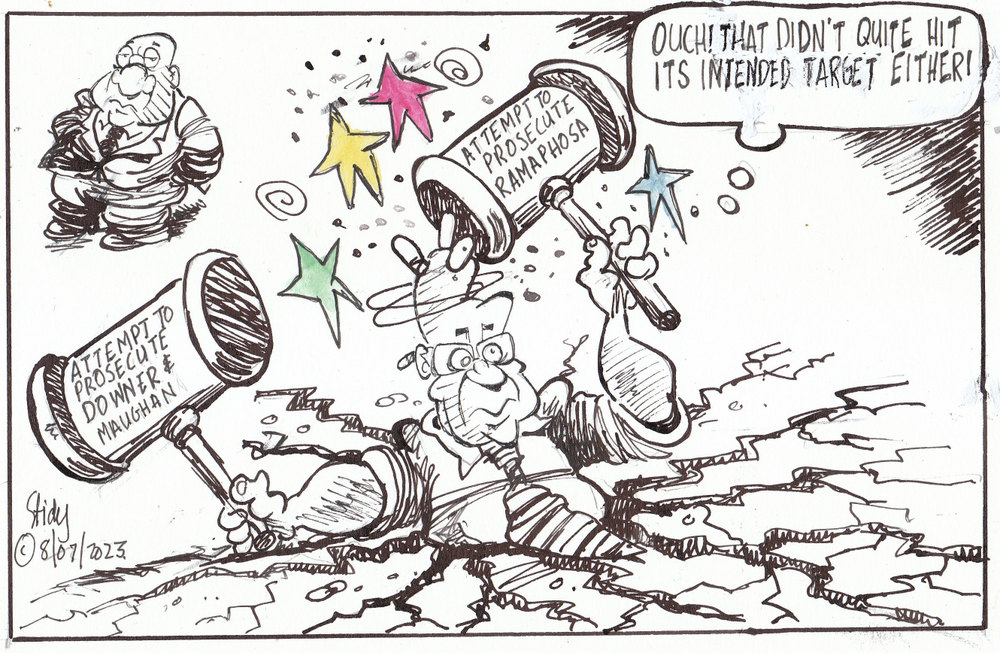
The High Court delivered a fresh blow to ex-president Jacob Zuma when it brushed aside his attempt to privately prosecute President Cyril Ramaphosa…
President Cyril Ramaphosa blamed the COVID-19 pandemic, state capture and the continued economic downturn for why the new dawn he had promised when he took office had not materialised.
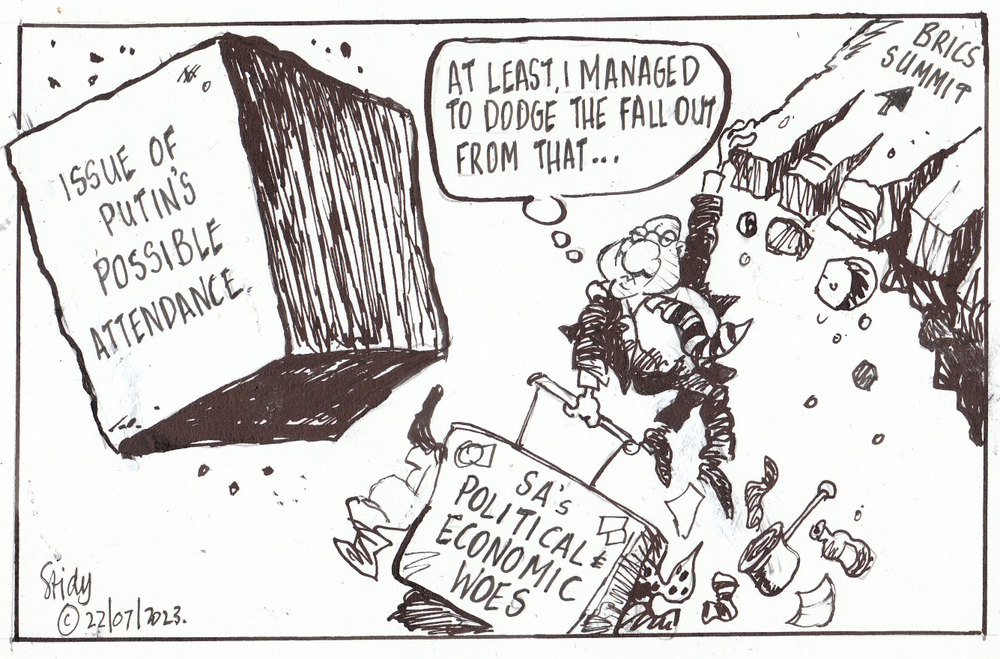
A possible diplomatic crisis was averted when the Presidency announced that Russia’s President Putin would not attend the BRICS summit in South Africa in August.
ANC Secretary-General called on Public Services Minister Pravin Gordhan to shape up or ship out, due to his slow pace in getting things to turn around at Transnet.
Julius Malema and thousands of his supporters chanted “Kill the Boer, kill the farmer” at the EFF’s 10th-anniversary celebrations held in the FNB stadium.
Msunduzi Municipalities’s waste management came under scrutiny following sewage blockages in various residential areas and in and around the CBD. Service provision appeared to have taken a back seat while the municipality redistributed funds for the renovation of halls and funding a millionaire’s football club…
Seven political parties accepted an invitation by the DA to attend a national convention at the Emperor’s Palace, Kempton Park. They kicked off the event with a pledge to put aside their differences to dethrone the ANC from power after the 2024 national elections.
Six countries including two African countries made the cut to join BRICS. President Cyril Ramaphosa announced that Argentina, Egypt, Ethiopia, Iran, Saudi Arabia and the UAE will become BRICS members in 2024.
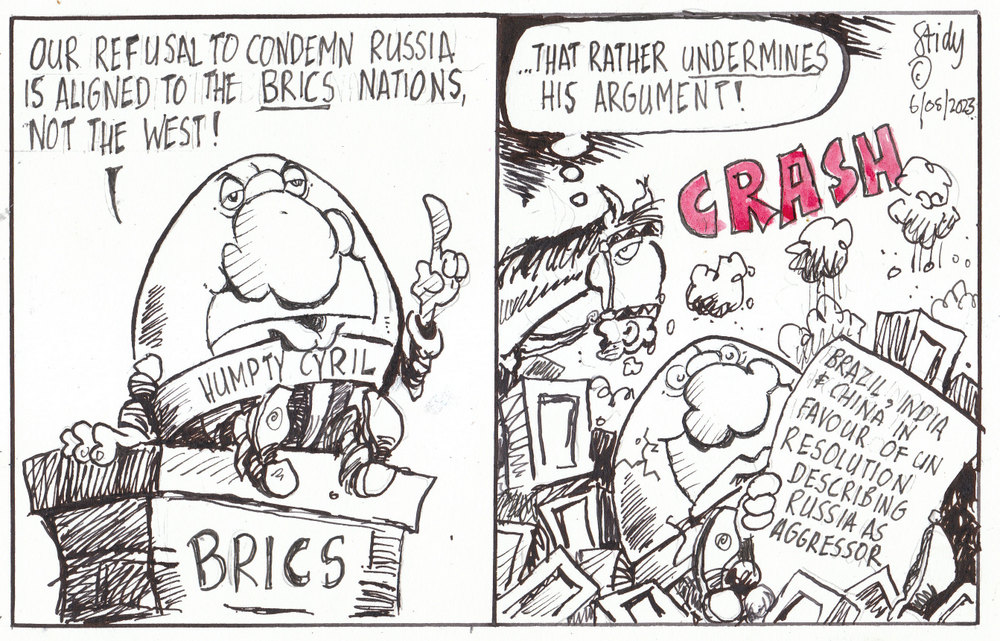
The South African government’s justification for its moral dereliction in relation to the Russian invasion of Ukraine was dealt a severe blow after the majority of BRICS nations voted for a UN resolution which described Russia as the aggressor in Ukraine and Georgia.
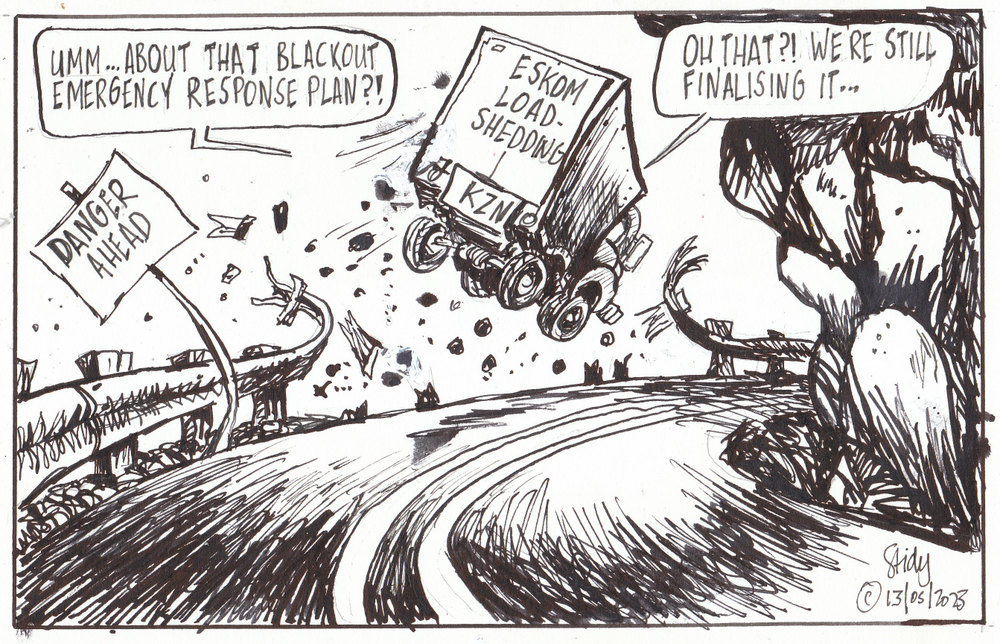
The KZN provincial government had still not finalised its blackout emergency plan despite electricity minister Kgosientsho Ramokgopa warning the public to expect the power supply problem to worsen during winter.
The US accused South Africa of providing ammunition to Russia through a Russian ship, the Lady R, that docked at Simon’s Town in December 20022 – an accusation the government immediately denied. With Eskom’s power problem growing worse, unemployment reaching record highs, crime levels soaring and numerous other issues facing President Cyril Ramaphosa, South Africa’s growth outlook looked bleak.
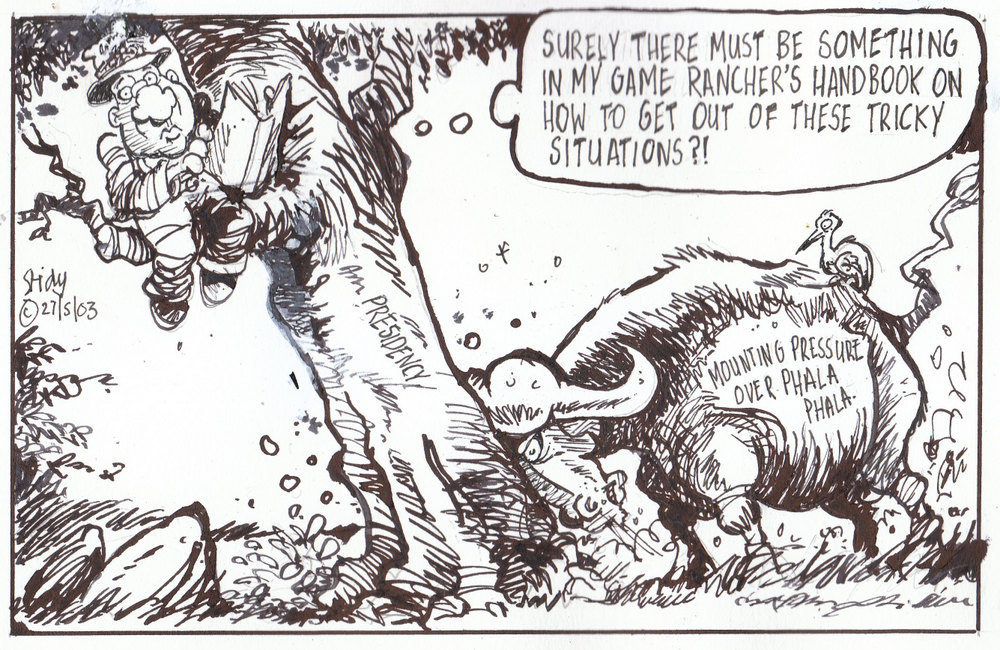
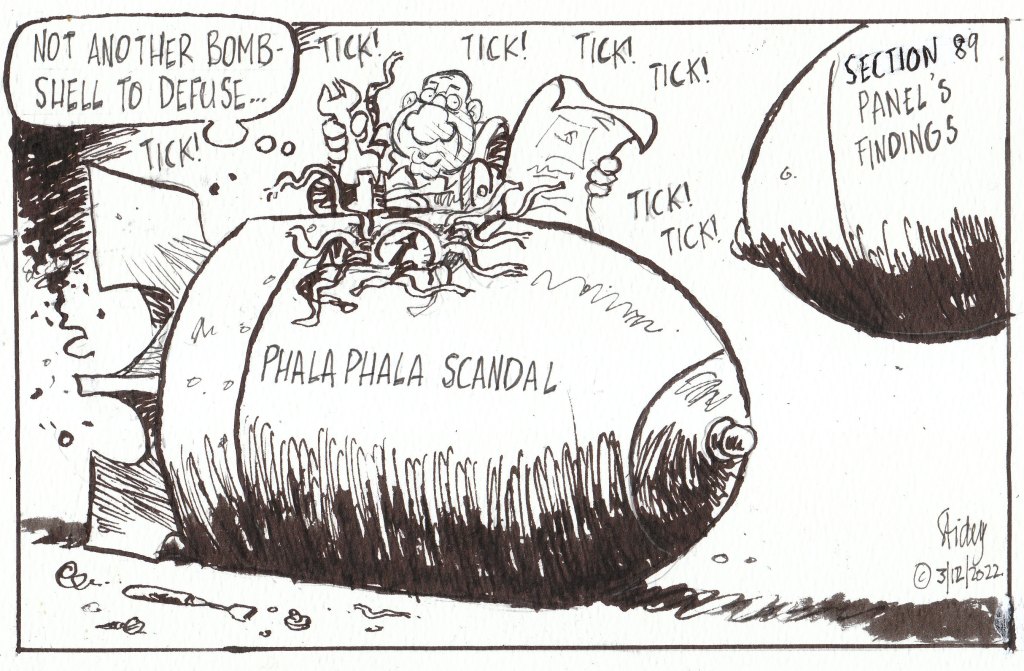
Opposition parties urged the National Prosecuting Authority to take action against President Cyril Ramaphosa over the Phala Phala scandal. This was in the wake of the announcement by the presidency that Ramaphosa would no longer be challenging the validity of the Phala Phala report by the Section 89 independent panel.
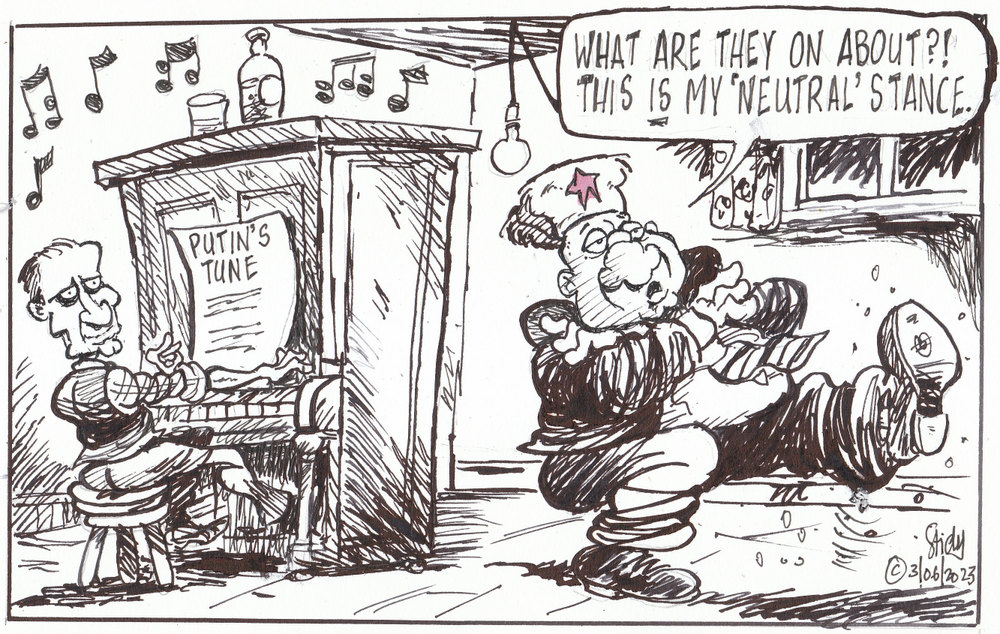
President Cyril Ramaphosa insisted that South Africa’s non-aligned position does not favour Russia in its war with Ukraine, even as it faces pressure from some of its main partners to change course.
The High Court in Pietermaritzburg ruled that former president Jacob Zuma’s private prosecution of journalist Karyn Maughan had the hallmarks of a SLAPP suit, designed to harass and intimidate.
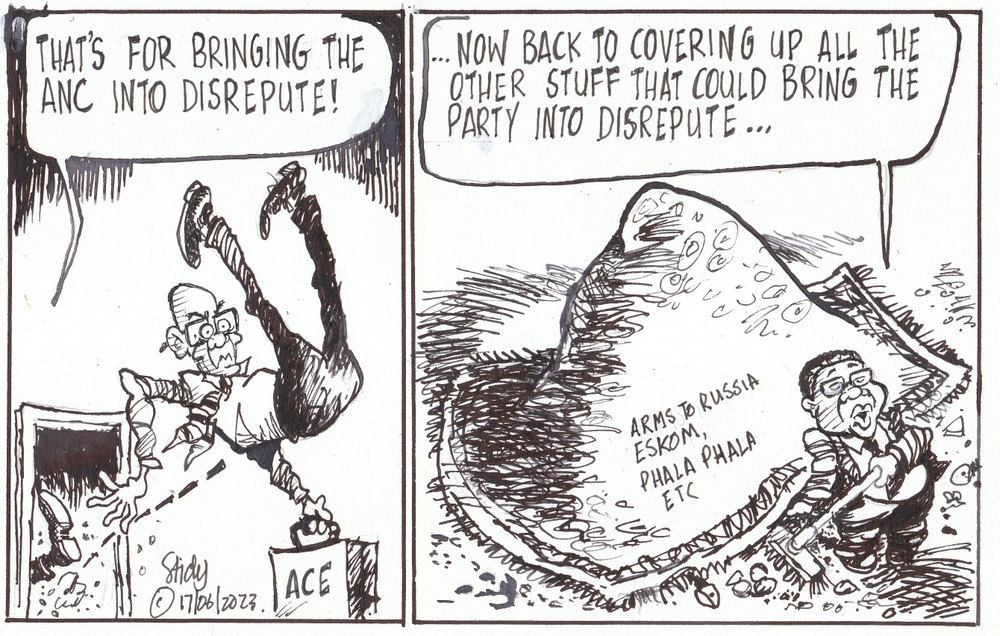
The ANC finally cut ties with its former secretary-general Ace Magashule, slapping him with a permanent expulsion. This after he missed the deadline to oppose the party’s National Disciplinary Committee (NDC) findings against him.
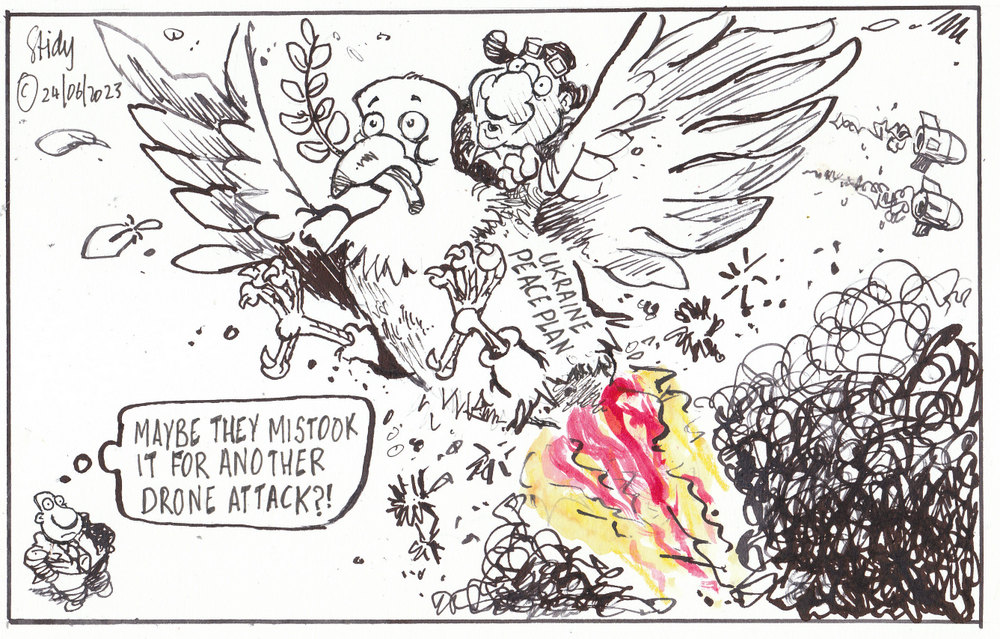
An African peace mission, spearheaded by President Cyril Ramaphosa, drew widespread criticism with some calling it a “failed PR stunt”. Both Ukrainian president Volodymyo Zelenski and his Russian counterpart, Vladimir Putin, rejected the 10-point peace plan.
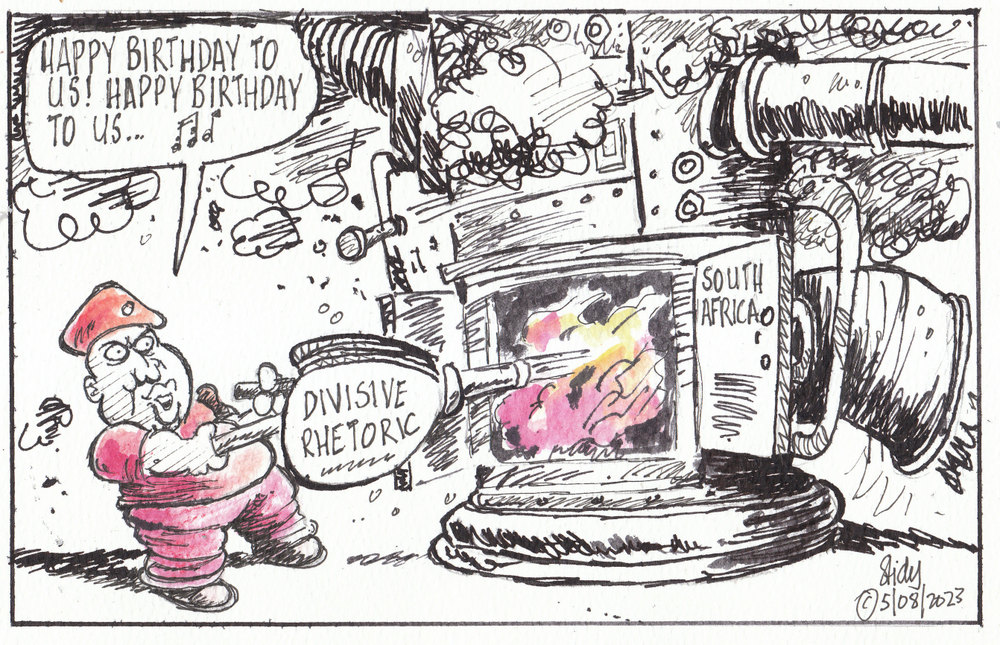
What was supposed to be a Kwa-Zulu-Natal debate on Premier Nomusa Dube-Ncube’s State of the Province Address degenerated into a mudslinging match between the ANC and the IFP. The ANC and IFP, the two dominant parties in KZN, are currently embroiled in a war of words as each one seeks to gain the upper hand ahead of next year’s general elections.
President Cyril Ramaphosa’s long-awaited cabinet reshuffle proved somewhat underwhelming and did not see the materialisation of the wide-ranging reconfiguration of government that many hoped for. Instead, the president moved around ministers and dropped three – the minister of tourism Lindiwe Sisulu, sport, arts and culture Nathi Mthetwa and the minister responsible for women, youth and persons with disabilities Nkoana Malte-Mashoahane.
The Economic Freedom Front announced a national shutdown for Monday, March 20 to protest against load-shedding, sparking fears of violence and looting.
While EFF leader Julius Malema described his party’s national shut-down as the most successful in South African history, opposition parties said it only highlighted their lack of support…
Two “significant employers” have threatened to relocate their operations if the proposed tariff hikes are approved, the Pietermaritzburg and Midlands Chamber of Business (PMCB) said. The increases ranged from seven per cent to a staggering 8546,2%.
Former US president Donald Trump was indicted over hush money payments made to a porn star during his 2016 campaign, making him the first president to face criminal charges.
Msunduzi ratepayers were in shock and confusion after they found themselves sitting with two bills in one month following the introduction of the city’s twice-month billing cycle system.
KZN Premier Nomuse-Ncube announced a full-scale investigation into the province’s school nutrition programme after an outcry over how it was being run. Several schools in the province suspended classes after service providers failed to deliver adequate food to the schools.
President Cyril Ramaphosa continued to back his police minister Bheki Cele amid continued calls for him to be sacked due to the country’s crime statistics.
Ailing state-owned parastatal, Eskom announced it was ramping up load-shedding to stage 6 until further notice. The power utility said the higher stage of the deliberate power cuts was necessary due to severe capacity restraints.
The South African government called for calm amid heightened tensions in many communities about service failings and the continued crippling load shedding.
International relations and co-operation minister Naledi Pandor dismissed criticism of joint military drills with China and Russia saying hosting exercises with “friends” was the “natural course of relations.
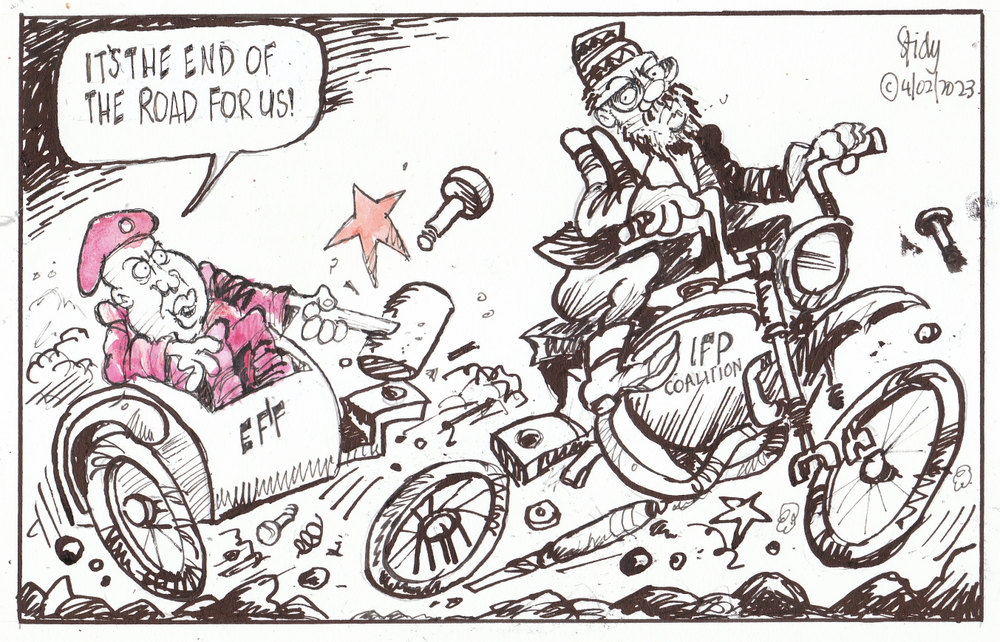
The Economic Freedom Front president Julius Malema announced that his party had instructed EFF deputy mayors in eight hung KwaZulu-Natal Councils to resign immediately and that the co-governance agreement between the two parties was over.
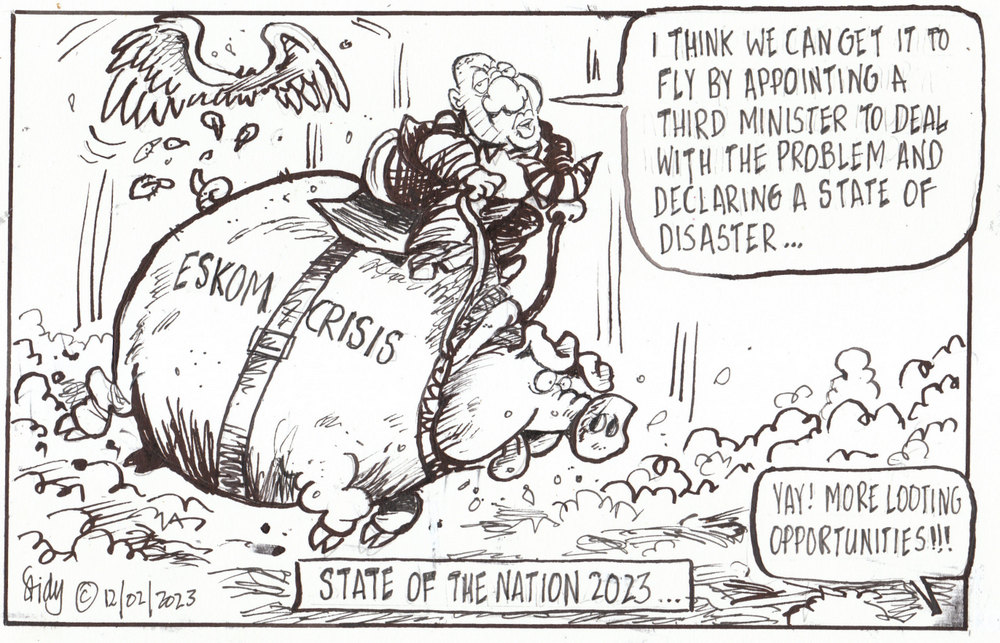
President Cyril Ramaphosa delivered his State of the Nation (SONA) Address declaring a State of Disaster for the electricity crisis and saying a minister of electricity would be appointed.
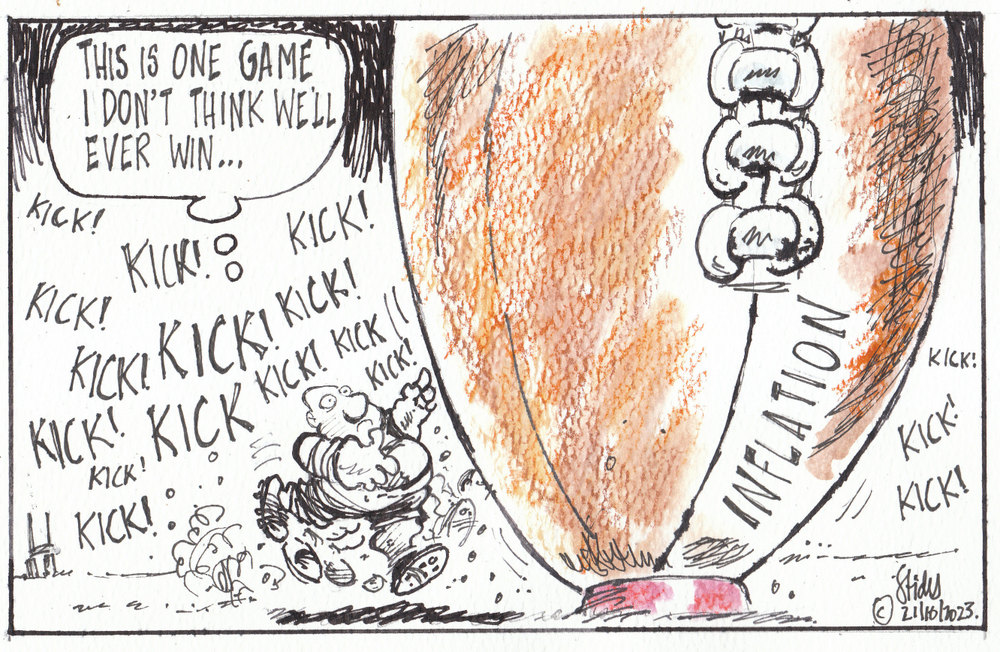
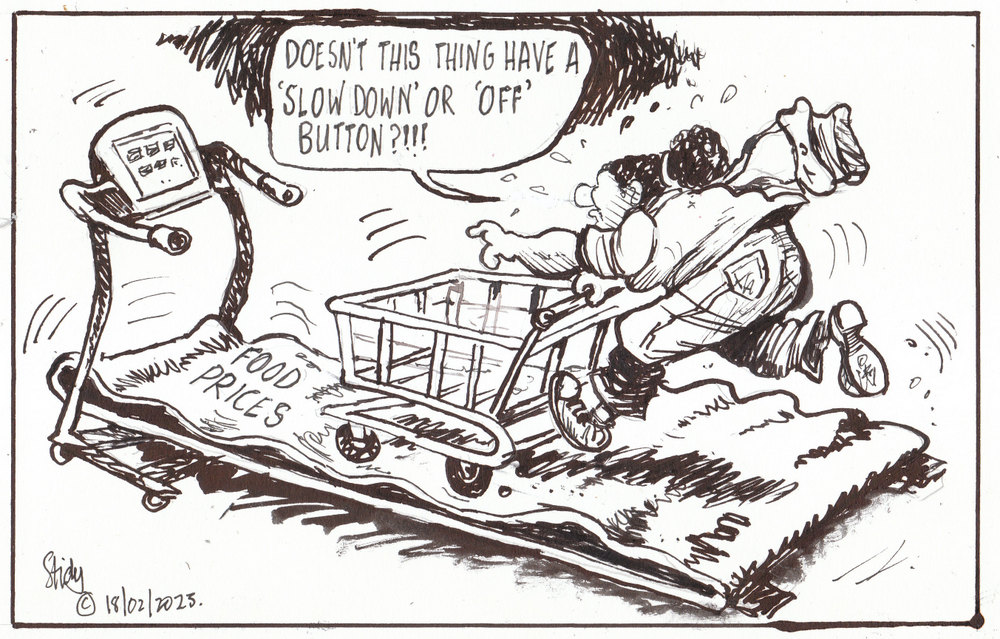
Annual consumer inflation cooled to 6.9% in January but food inflation hit its highest levels since 2009.
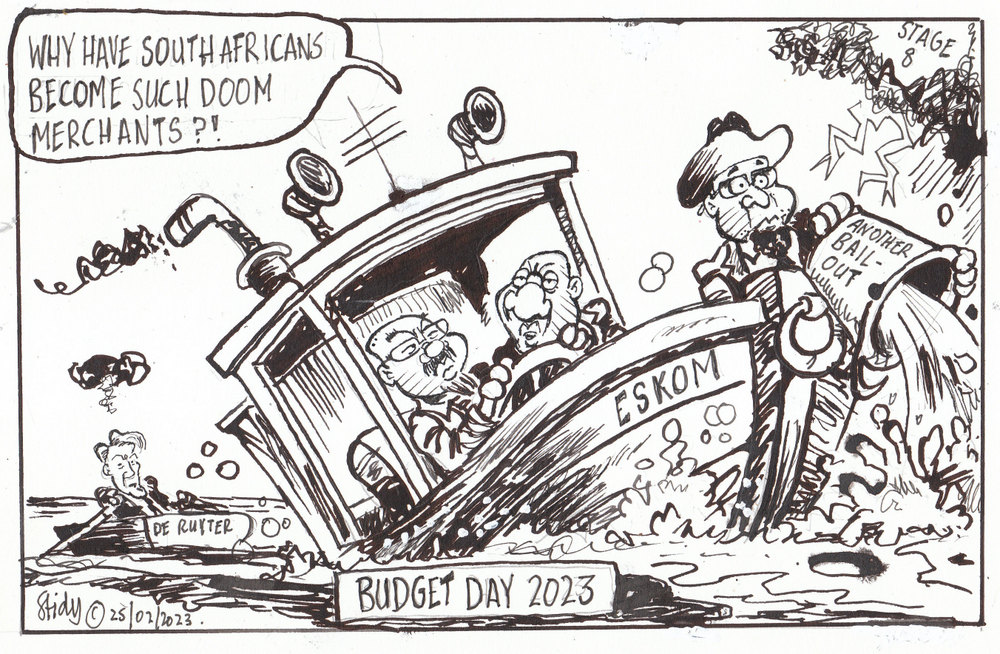
Tabling his 2023 Budget, Finance Minister Enoch Godongwana announced that the National Treasury will relieve the struggling parastatal Eskom of R254 Million of its debt over the next three years but said that strict conditions would be attached to this. Shortly after his speech, Eskom CEO Andre de Ruyter left the power utility “with immediate effect” after launching a stunning attack on the government and the ANC.
With the latest fuel hikes, the already beleaguered South African consumer would have to find even more wriggle room in their monthly budgets to fill their tanks. They would also have to accommodate the rise in the cost of goods that would inevitably follow these price increases.
With the presidential race hotting up the probe into President Cyril Ramaphosa’s Phala Phala farm robbery reached a crucial stage. At this stage. the two front-runners appeared to be Ramaphosa and Dr Zweli Mkhize although an adverse finding against the president could affect his chances of being re-elected.
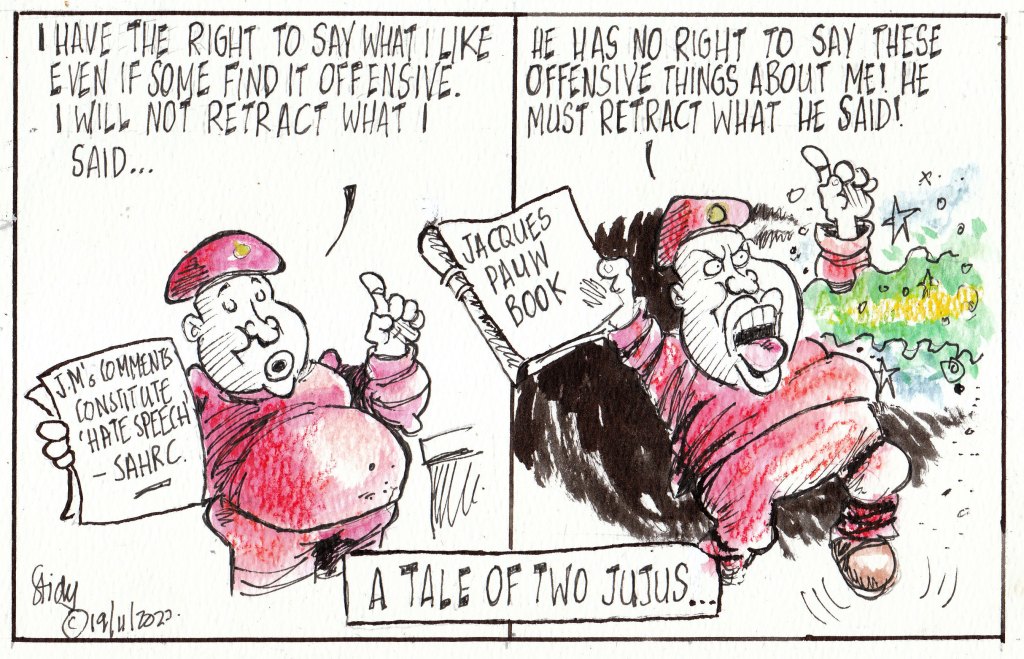
The SAHRC found that comments made by EFF leader Julius Malema constituted incitement to violence and hate speech and requested he retracts them. Having refused to do so, Juju, later in the same week, went on to demand that copies of Jacques Pauw’s Our Poisoned Land be removed from all bookstores because of specific allegations it made against him.
Responding to criticism in parliament over the ongoing Eskom crisis, Public Enterprises Minister Pravin Gordhan said government intervention, including President Cyril Ramaphosa’s energy plan and Integrated Resource Plan (IRP), should be given a chance to take effect.
The country was plunged into crisis as the section 89 panel set up to investigate the Phala Phala scandal found that President Cyril Ramaphosa had an impeachment case to answer over serious violations of the constitution for exposing himself to conflict of interest, doing outside paid work and contravening the Corruption Activities Act.
President Cyril Ramaphosa secured the political support of the majority of his party as the delay in the vote for his impeachment gave him respite for a week. The president slammed the Section 89 panel for relying on the Fraser accusations in their findings.
The ANC’s acting Secretary-General, Paul Mashatile, referred Nkosazana Dlamini-Zuma to the ANC’s disciplinary committee. This came after she went against party instructions to vote against adopting the Section 89 report on Phala Phala.
With Christmas fast approaching, South Africa continued to suffer relentless load shedding. Eskom was thrown into further disarray with the resignation of its CEO, Andre de Ruyter.
Cyril Ramaphosa was re-elected leader of South Africa’s ruling ANC Party despite being badly damaged by a cash-heist scandal that has dogged him for months. His re-election came at a time when the country was being beset on all sides by a multitude of crises – crises that threatened to get worse with every passing moment of indecision or inaction by Ramaphosa and his government.





















 Stidy's Eye