With the latest fuel hikes, the already beleaguered South African consumer would have to find even more wriggle room in their monthly budgets to fill their tanks. They would also have to accommodate the rise in the cost of goods that would inevitably follow these price increases.
With the presidential race hotting up the probe into President Cyril Ramaphosa’s Phala Phala farm robbery reached a crucial stage. At this stage. the two front-runners appeared to be Ramaphosa and Dr Zweli Mkhize although an adverse finding against the president could affect his chances of being re-elected.
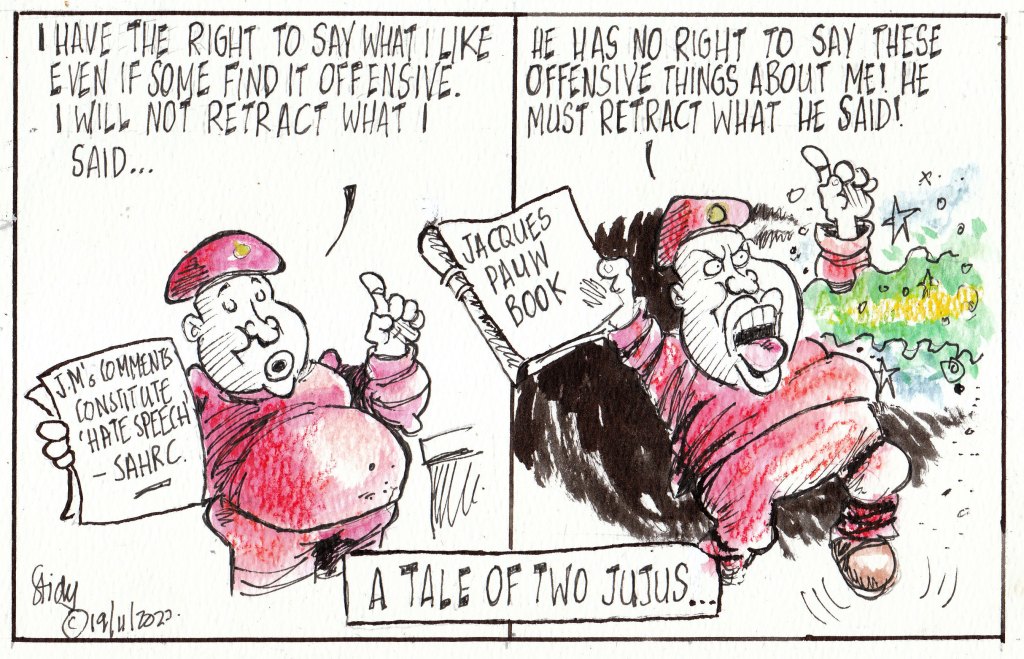
The SAHRC found that comments made by EFF leader Julius Malema constituted incitement to violence and hate speech and requested he retracts them. Having refused to do so, Juju, later in the same week, went on to demand that copies of Jacques Pauw’s Our Poisoned Land be removed from all bookstores because of specific allegations it made against him.
Responding to criticism in parliament over the ongoing Eskom crisis, Public Enterprises Minister Pravin Gordhan said government intervention, including President Cyril Ramaphosa’s energy plan and Integrated Resource Plan (IRP), should be given a chance to take effect.
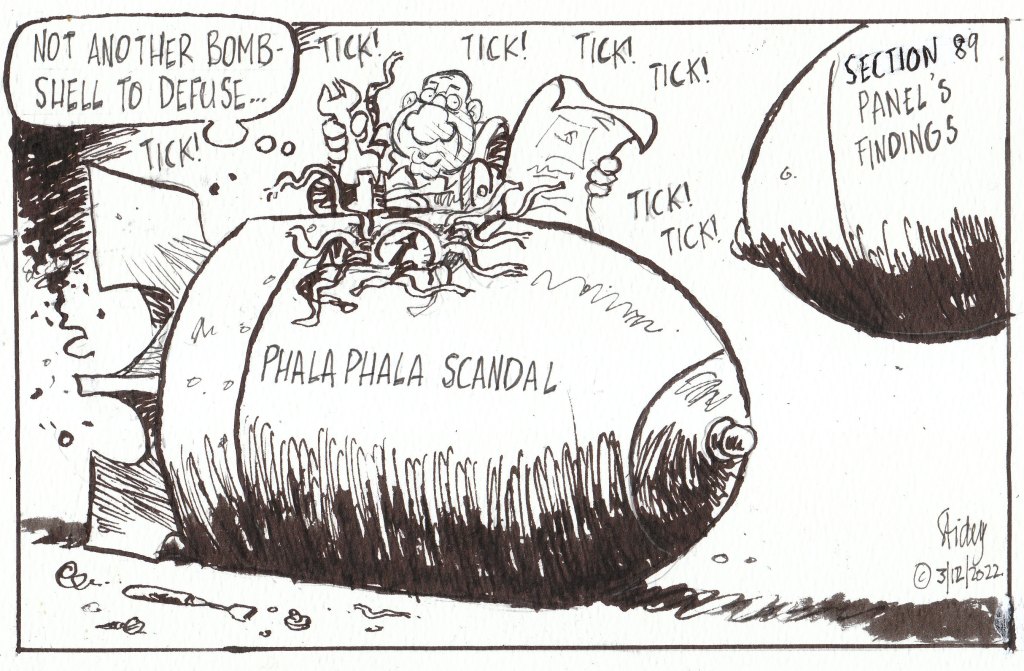
The country was plunged into crisis as the section 89 panel set up to investigate the Phala Phala scandal found that President Cyril Ramaphosa had an impeachment case to answer over serious violations of the constitution for exposing himself to conflict of interest, doing outside paid work and contravening the Corruption Activities Act.
President Cyril Ramaphosa secured the political support of the majority of his party as the delay in the vote for his impeachment gave him respite for a week. The president slammed the Section 89 panel for relying on the Fraser accusations in their findings.
The ANC’s acting Secretary-General, Paul Mashatile, referred Nkosazana Dlamini-Zuma to the ANC’s disciplinary committee. This came after she went against party instructions to vote against adopting the Section 89 report on Phala Phala.
With Christmas fast approaching, South Africa continued to suffer relentless load shedding. Eskom was thrown into further disarray with the resignation of its CEO, Andre de Ruyter.
Cyril Ramaphosa was re-elected leader of South Africa’s ruling ANC Party despite being badly damaged by a cash-heist scandal that has dogged him for months. His re-election came at a time when the country was being beset on all sides by a multitude of crises – crises that threatened to get worse with every passing moment of indecision or inaction by Ramaphosa and his government.
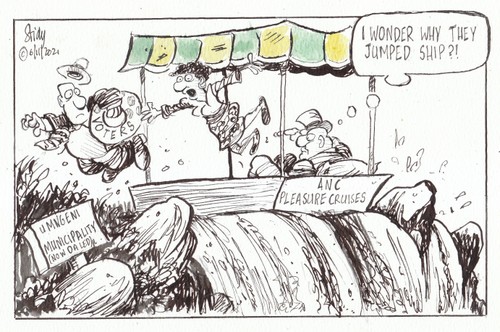
After running a smooth, spirited campaign the Democratic Alliance snatched a historic victory in the hotly contested uMngeni Municipality, receiving 47% of the votes with 13 seats in the council, while the ANC had 39%, followed by the EFF with seven percent. uMngeni is the first municipality to be led by the DA in KwaZulu-Natal.
Outage turned to outrage as Eskom once again implemented load shedding with next to no notice. With the power utilities, woes showing no signs of improving CEO Andre de Ruyter came in for heavy criticism while industry, already battered by the economic effects of Covid-19, continued to suffer.
While politicians tried to make everyone believe that the coalition negotiations were being pursued in the interests of the residents in the country’s 70 hung municipalities the opposite appeared to be true. Rather than being about service delivery or good governance, they were used to advance narrow political interests to the detriment of voters.
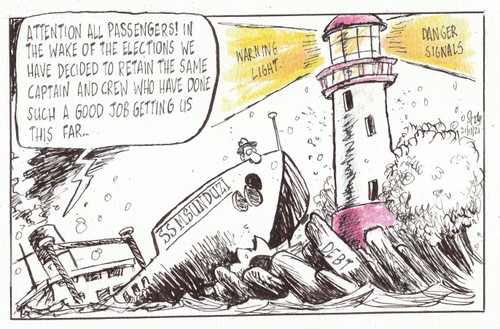
With the reappointment of the old mayor, Mzimkulu Thebolla, and many of the same councilors there was a feeling that nothing much had changed in Msunduzi as a result of the recent municipal elections. In the same week, it was also announced that the municipality was drowning in debt, owing Umgeni Water an outstanding amount of R367 million.
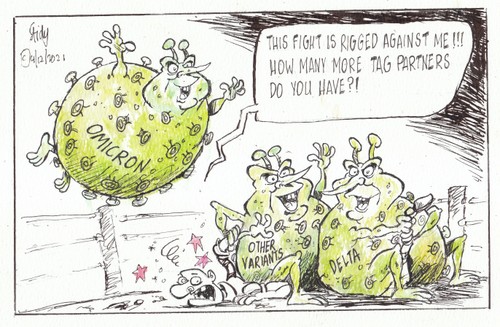
The recently identified Omicron variant had fuelled a worrying surge in coronavirus cases in South Africa and is rapidly becoming the dominant strain, health officials warned. With the imposition of various travel bans to and from South Africa, the government complained it was being punished – instead of applauded – for discovering the concerning new variant of Covid-19.
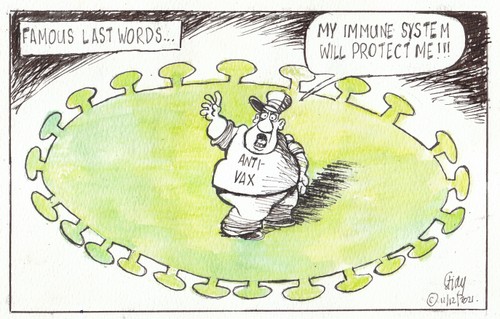
Despite the fact that the majority of people in hospital with Covid-19 are unvaccinated the roll-out campaign faced continuing scepticism and resistance from a section of the public…
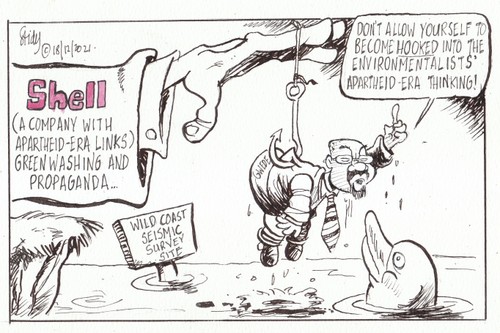
Minister Gwede Mantashe rubbed environmental organizations up the wrong way after saying protests against Shell’s seismic survey along the Wild Coast are examples of apartheid and colonialism of a special type.
While the holiday season should be about sending time with loved ones and doing things we enjoy, the Covid-19 pandemic continued to pose a threat to their health and well-being.
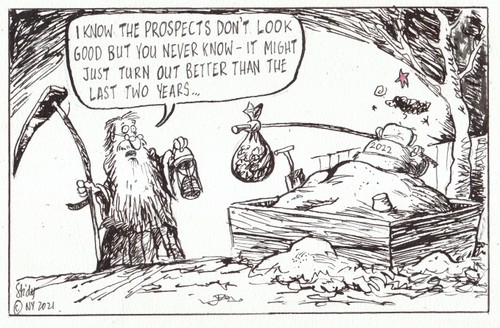
With the highly transmissible Omicron variant having driven cases of Covid-19 to record levels and with no end in sight to the pandemic, the prospects for 2022 do not look good. The one silver lining is that weekly cases appear to be on a downward trajectory.
In the face of a fierce and vitriolic fightback by the agents of corruption in the ANC, President Cyril Ramaphosa appeared to achieve a tactical victory at a meeting of the NEC with members finally committing to act against comrades accused of corruption. He now faced the challenge, however, to give effect to the resolution, no easy task in a party riddled by factionalism and internal power plays.
The Democratic Part (DA) wrapped up its annual policy conference by adopting numerous policies, including one that said race was not a proxy of disadvantage when dealing with issues of redress. This was followed by reports that the party risked yet another exodus of senior members after opening investigations against several leaders with the intention of charging them, while others were planning to leave because they were disillusioned with the direction the official opposition has taken.
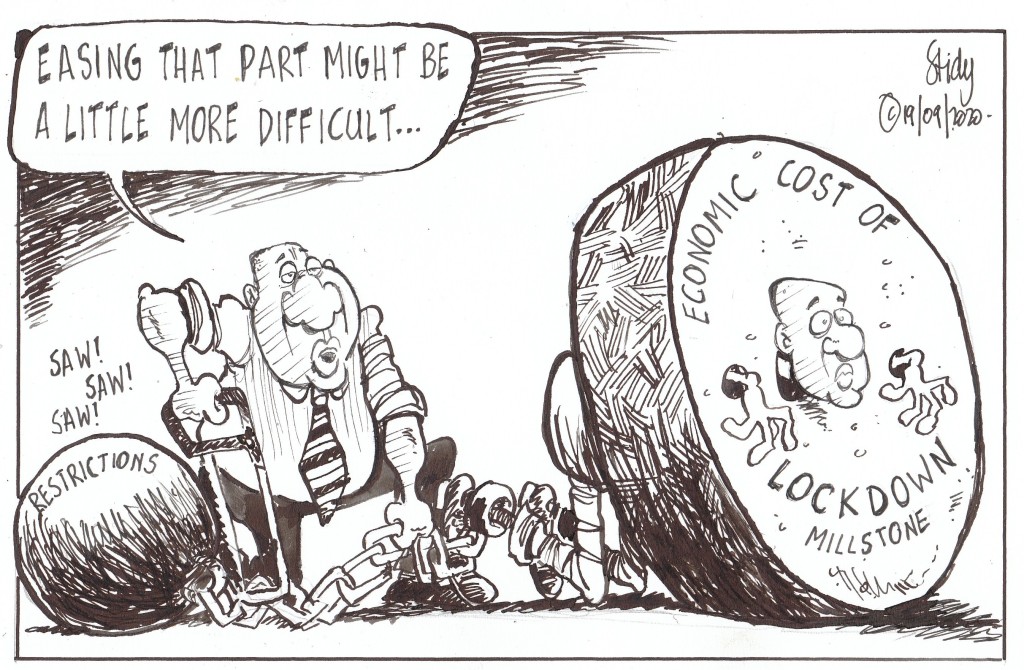
Six months after lockdown measures were imposed, President Cyril Ramaphosa announced that the country would move to lockdown level 1 from Monday September 21. He also announced that an Economic Rescue Plan was being fast-tracked which was only to be expected given the contraction in the economy and the fact that the country was, by his own admission, now effectively bankrupt…
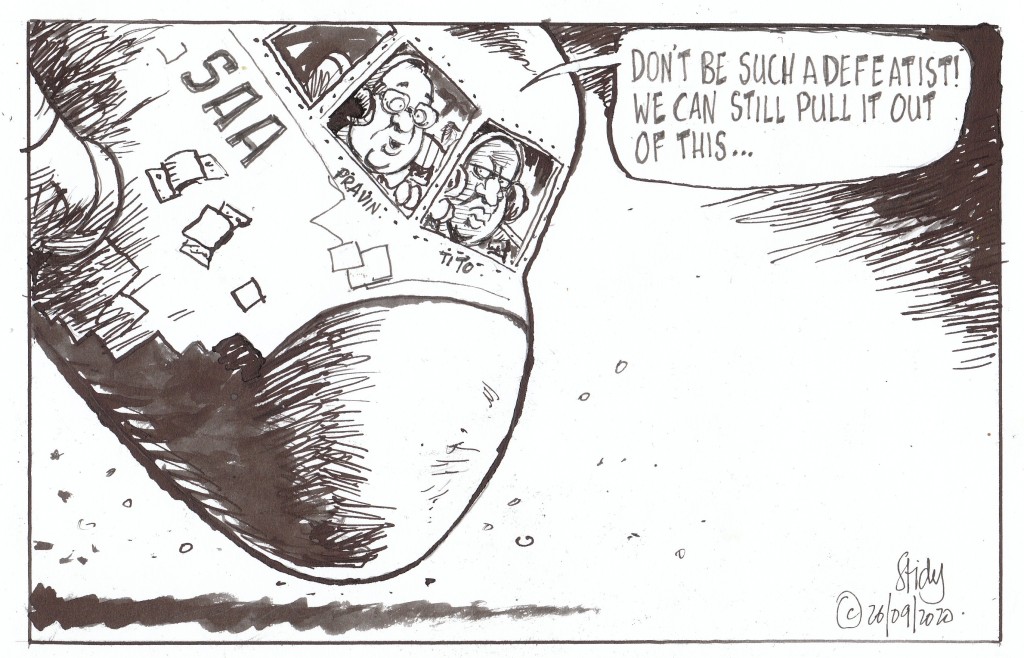
According to various sources, South African National Treasury officials reluctantly complied with orders to find funds to bail out the state airline, fearing they may erode the nation’s fiscal credibility. Finance Minister Tito Mboweni had long argued that the government can’t continue funding the national carrier, putting him at odds with the top leadership of the ruling ANC and Public Enterprises Minister Pravin Gordhan, who insist it must keep flying,
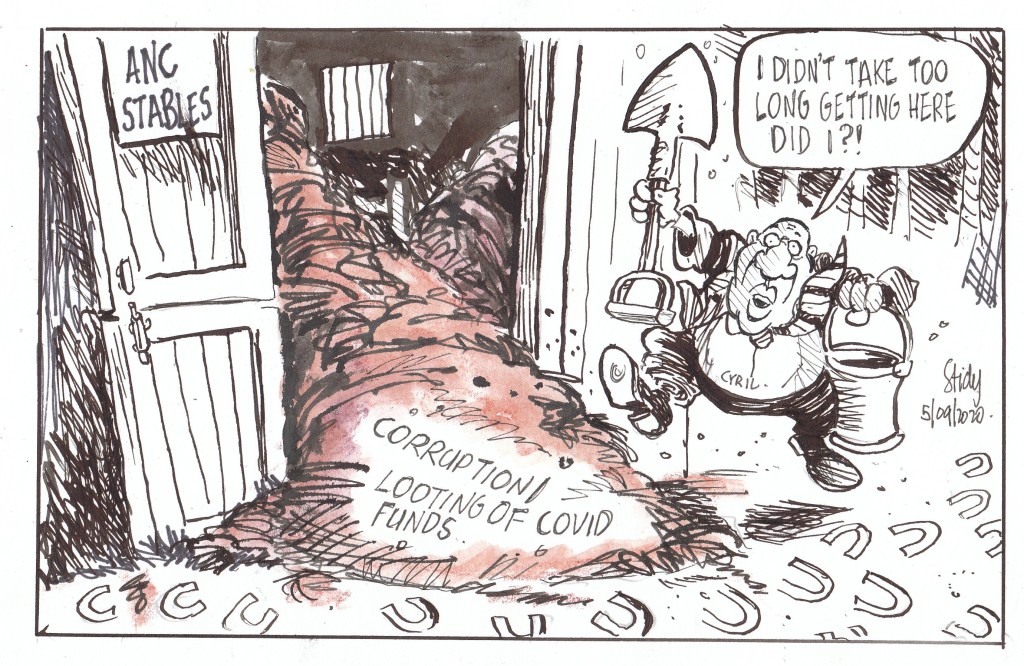
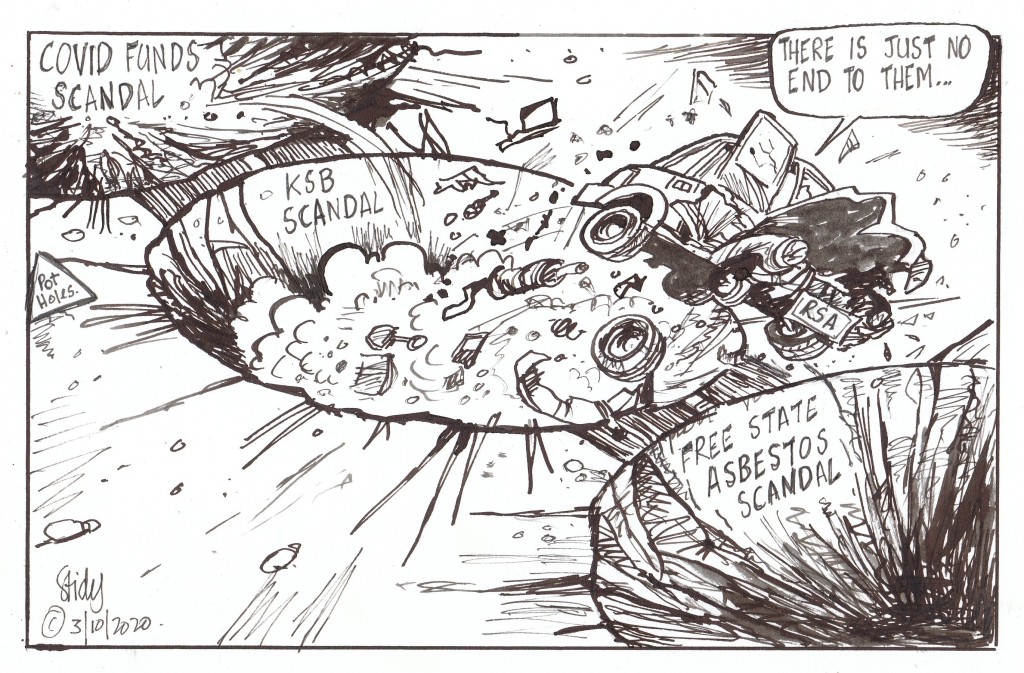
The high profile sweep on officials and businesspeople implicated in the R255 Million Free State asbestos audit deal scandal was universally welcomed because there has been an overwhelming perception among the public that thievery, as the modus operandi of the tenderpreneurs, would remain unchecked. According to opposition parties, however, the arrests marked just the tip of the iceberg and further investigations were needed to bring all those involved to book.
Meanwhile, the Evangelical Alliance of South Africa said that the practices at the KwaSizabantu – which involved allegations of human rights abuses and money laundering – were damaging to the reputation of other churches…
Msunduzi administrator Scelo Duma described the SAP financial system as “the Achilles heal of Msunduzi”. The top-of-the-range software package, installed in 2016 to integrate the management of finances, had already cost the municipality over R251 Million and had continued to be plagued with problems.
South Africa wouldn’t be able to meet its finance ministry’s debt targets and it may be undesirable for it to attempt to do so at a time when the economy is being battered by the fallout from lockdown, according to an advisory panel appointed by President Cyril Ramaphosa. In a more than 100-page document advising the government on an economic recovery programme that Ramaphosa was due to unveil the Presidential Economic Advisory Council said spending cuts would hold back growth and have adverse consequences.
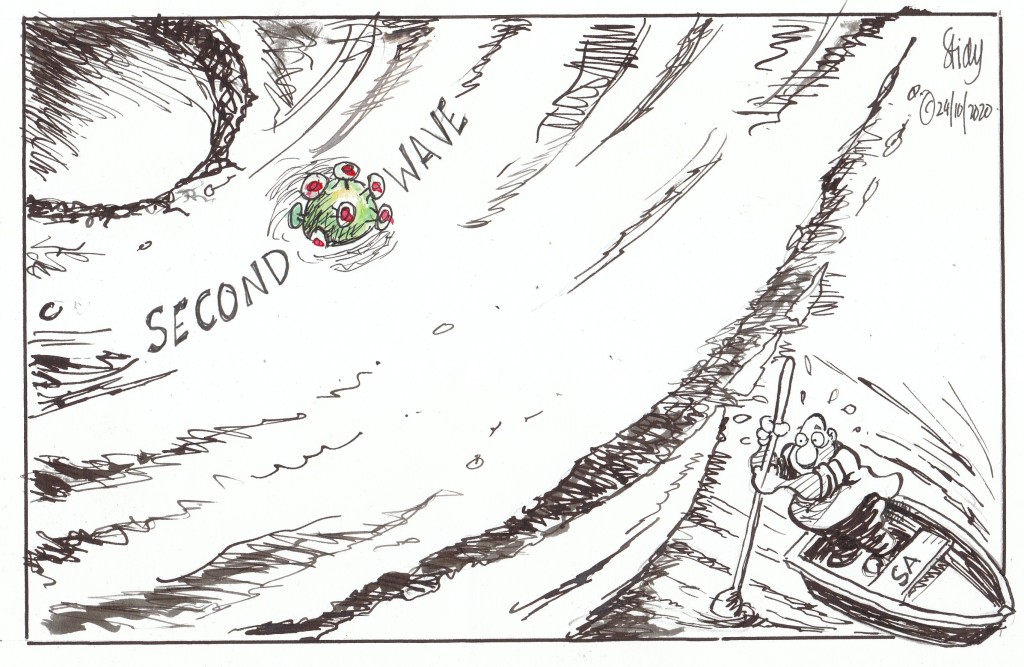
The news that Health Minister Zweli Mkhize and his wife May have tested positive for Covid-19 was a reminder that people are still vulnerable despite the diminishing rate of infection in South Africa. It was especially sobering considering what is happening in the US and Europe where infection rates have begun to soar again as part of the ‘Second Wave’ of the pandemic.
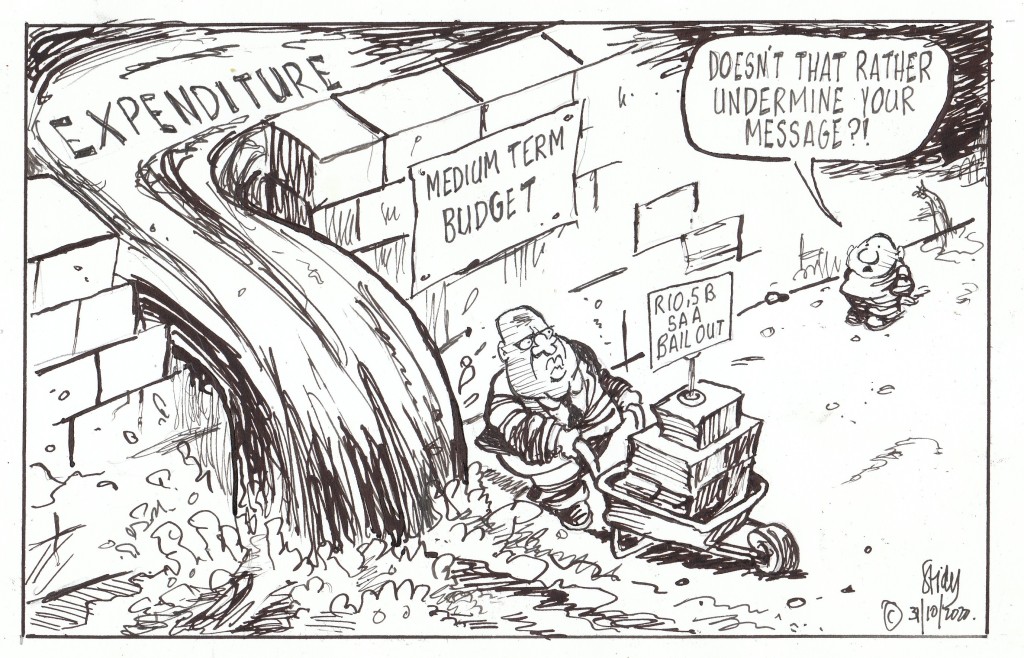
Tabling his mid-term budget Finance Minister Tito Mboweni stressed the country was in trouble and that something needed to be done. Acknowledging that there was “no room for slippage” he promised to put a break on expenditure and rein in civil service salaries – something that would have to be seen to be believed, given that he lost his SAA arguments and had been forced to extend a R10,5billion lifeline to the bankrupt national airline.
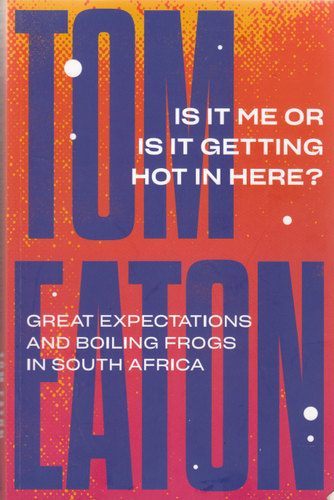
Tom Eaton is undoubtedly one of South Africa’s most witty and erudite commentators with a brand of humour that manages to be both razor-sharp and wryly tongue-in-cheek at the same time.
His latest collection, still fresh despite being mostly written before the Covid-19 pandemic struck, rails against current political shibboleths to entertaining and pointed effect. As is only to be expected, Eaton pulls no punches as he takes satirical swipes at a number of rather large and obvious targets – the ANC, Eskom, the SABC – but with his slightly skewed, off-centre approach he manages to illuminate this familiar territory with sharp flashes of novel insight..
Of course, no book about South Africa’s recent history would be complete without a dissection of the rotting cadaver of state capture that was the hallmark of Jacob Zuma’s time in office and Eaton duly obliges with a typically excellent, if typically depressing, essay on the man and the damage he inflicted on the country
In places, it is not at all a comfortable read. Eaton has a habit of shredding many of our common self-deceptions and irrational beliefs, as well as the sort of deluded wish-thinking that often characterises public debate. He includes, for example, a very thoughtful and balanced piece on the role of politics in sport in South Africa, arguing that it is naïve to think you can separate the two. In a chapter dealing with another vexed, contentious South Africa issue – the re-imposition of the death penalty – he puts forward a similarly persuasive argument, showing how we often allow our heated feelings on the subject to override common sense.
Eaton does not confine himself just to local matters. Elsewhere, he includes a perceptive essay on what is happening in the United States, a nation which seems to have been dumbed down to the extent where responsible and informed policy has largely ceased to exist under a regime that denies the reality of global warming and which has a president who advocates drinking bleach as a cure for Covid-19..
Eaton’s writing can be pithy. It can also be deadpan. Underpinning it all, though, is a deep vein of seriousness which forces you reconsider and look again at many of your own assumptions about the sort of society we live in. Or, as Eaton himself puts it, the book is “about trying to resist the knee-jerk responses that professional manipulators want us to have…”
Intelligent, well written and extremely funny, Is it Me or is Something Getting Hot in Here? is a terrific compendium of the incompetence and occasionally appalling behaviour of those in whom we have entrusted our vote. It also holds up a not always flattering mirror to ourselves…
Published by Bantam Press
With his blend of sardonic humour and noble integrity, Lee Childs’ laconic hero, Jack Reacher, is one of crime fictions most likeable and engaging characters.
In his latest outing we find him sitting on board a Greyhound bus, heading along the interstate highway, with no particular destination in mind. Across the aisle an old man sits asleep with a fat envelope of money hanging out of his pocket.
Reacher is not the only one who has spotted it. When the old man gets off, at the next stop, he is followed by another passenger with slicked-back, greasy, hair and a goatee beard. Naturally Reacher, his suspicions aroused, decides he better disembark as well, just in case the other guy has bad thoughts on his mind….
He has. Needless to say, by the time Reacher has finished with him he has good reason to regret ever harbouring them. While obviously grateful for Reacher’s intervention the old man is clearly reluctant to explain who the cash is intended for or to let him get further involved in his affairs.
This merely serves to pique Reacher’s interest further. Having insisted on accompanying the old man home, he eventually gets him to admit that he and his similarly elderly wife are the victims of an ugly extortion racket.
For a loner like Reacher who only becomes sociable when he meets good people in a jam, this goes against the grain and he immediately decides that the time has come to mete out his own particular brand of retributive justice against those who are making the old folks life a misery.
It takes Reacher little time to flush out the enemy but he also discovers he is vastly outnumbered. Despite finding himself caught up in the middle of a particularly vicious turf war, however, between two nasty rival gangs – the one Albanian, the other Ukrainian – he never seems to be in danger of losing his head.
Author, Lee Child, is a reliable performer and once again delivers an enjoyably familiar, violent, pacey, caper. The action sequences are handled with his customary elan while, at the same time, he convincingly manages to convey the sleazy, menacing, underbelly of modern city life.
If there is one thing the Covid-19 pandemic has bought in to sharp contrast it is the deep divisions within society. Whereas some, have grown weary in the face of the protracted lockdown and adapted a devil-may-care attitude towards it, others have continued to shy away away from any form of social contact, concerned the virus is still raging.
Like many people, I have, at times, found myself perplexed by the ANC governments handling of the crisis. Some of its more stringent rules and regulations, for example, seem to have very little to do with logic or rationality or protecting our health. By the same token I can understand the need for caution and am reluctant to take any unnecessary risks which might expose me to Covid-19.
In part this stems from hard experience. Because of my compromised immune system (in my case damaged lungs) I have suffered from three bouts of pneumonia in the past. The first was so debilitating there were times when I wondered whether I was going to make it through.
It was, without doubt, the most frightening experience of my life and cured me of any appetite for misplaced displays of false bravado.
Which has meant that I have spent most of my lockdown time incarcerated alone at home. It is not something that has bothered me too much. There is solace to be found in solitude.
One of the few things I have missed, though, is my weekly trip to the Karkloof Farmer’s market. For me it has become a regular Saturday morning ritual.
Normally, I like to rise early and set off across the valley when it is still flooded in a honey-tinted light. No matter the time of the year, it is invariably beautiful then, with the sun’s rays lancing the plain in shafts, creating long shadows behind the rocks and trees.
The air is fresh, too, with a tingling, clean smell and the grass seems to dance as the wind ruffles through it. On the other side of the valley, the Karkloof hills rise up blue and purple and mauve and pink against the soft, early morning sky.
Sometimes, if I am really lucky, I might even get to see some cranes.
Wattled Crane, Karkloof.
Once inside the large, metal-framed hall, my first order of business is to visit the coffee stand. The lady who works behind the till knows me so well I don’t even need to give her my order – one Americano with hot milk. I then take my cup of steaming coffee out to the verandah where I sit and watch the dairy cows grazing in the pasture below.
My next port of call is the artisan bread stall and then the Greytown cheese maker whose mature Boerekaas cheese I love. After that I might buy a steak for my evening braai.
The final and – by far – most important part of the ritual involves browsing through Huddy’s second hand book stall, in the far corner of the hall. Over the years it has proved to be a veritable treasure trove for me and I have uncovered many gems.
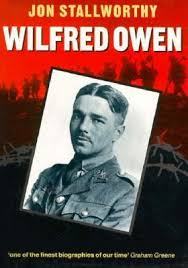
I have always loved the war poets, especially Wilfred Owen, so was thrilled to pick up an excellent biography on him by Jon Stallworthy, as well as one on Siegfried Sassoon written by John Stuart Roberts.
In similar vein, I was also able to obtain John Garth’s Tolkien and the Great War.
All three books are meticulously researched and exceptionally well written, describing, in detail, not only Sassoon, Owen and Tolkien’s experiences in the trenches of the first world war but showing how each, in turn, tried come to terms with the horrors they had seen.
While, obviously, not the most cheering of subjects to read about at a time when we are faced with our own insistent drums of doom they do serve as a reminder that troubles are constant, a given in life.
Perhaps because my father worked there, I have always been fascinated by the legend of “Arabia” and in tracing its development in the successive stories of the explorers who helped to create it.
Although these early travellers were, for the most part, men, one of the exceptions to the rule was the indefatigable Gertrude Bell. Wanting to find out more about what drove this exceptional woman, I was very pleased to be able procure a copy of Janet Wallach’s Desert Queen: The Extraordinary Life of Gertrude Bell.
A woman of fierce intelligence and focus- she was the first woman to graduate from Oxford with a history degree – her bold expeditions deep in to the Arabian desert led to a passion for the Middle East that lasted to the end of her life (she is buried in Baghdad). Her sensitivity towards its people and their culture set her apart from many of her era. Finding an ally and kindred spirit in TE Lawrence, of Lawrence of Arabia fame, she would go on to play an instrumental role in the creation of the modern state of Iraq.
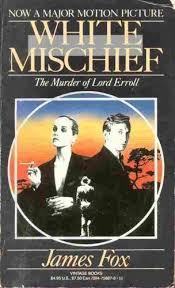
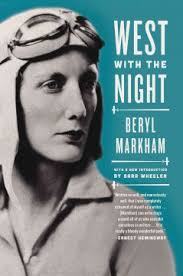
When I was going through my Kenya colonial history phase, it was at Huddy’s I found Elspeth Huxley’s marvelously evocative The Flame Trees of Thika, The Mottled Lizard, Out in the Midday Sun and Nellie: Letters from Africa; as well as James Fox’s White Mischief and Beryl Markham’s superb West with the Night, which Ernest Hemingway bluntly described as a “bloody, wonderful book.”
When this endless source of good books dried up because of lockdown, I was forced to fall back on my own resources. I decided now might be a good time as any to give my private library a revisit.
I began by dipping in to the four-edition Collected Essays, Journalism and Letters of George Orwell because I felt that if anybody could help me make sense of our confused and unsettling times it was him.
I discovered Orwell at a relatively early age and he has remained a strong, if not always comforting, presence in my life ever since. With his unflinching honesty and clear, precise, prose style he has, over the years, proved an incomparable guide for me.
As a young man, Orwell fought in the Spanish Civil War and subsequently wrote about it in Homage to Catalonia. The experience left deep emotional scars but also provided him with a valuable insight in to two of the major social dislocations of the Twentieth Century – in the shape of the former Soviet Union and the former Third Reich who, in supporting the opposing sides in the civil war, fought what has been called a “world war by proxy”.
Orwell’s fear of the dangers posed by autocratic leaders and absolutist governments would later find expression in the two books for which he is most famously remembered.
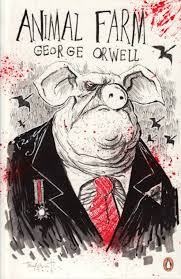
In his allegorical fable, Animal Farm, he showed just how easily those who have toppled a repressive regime can take on its trapping and habits. Having lived through a couple of revolutions myself, this is something I have got to see, first hand, in both Zimbabwe under ZANU-PF and in South Africa under the ANC.
There are other interesting parallels with today. Decades before “political correctness” and “cancel culture” became recognisable concepts, Orwell battled to get his trenchant masterpiece published because it was so obviously aimed at the Soviet Union who had been Britain’s ally during the second world war.
Orwell’s bullying boar, Napoleon, was transparently Stalin; his intellectual idealist rival, Snowball, obviously Trotsky. The prophet of revolution, Old Major, was a compound Marx and Lenin.
His usual publisher, Victor Gollancz rejected the book, as did Faber and Faber whose then director was no other than TS Eliot. Jonathan Cape also turned it down because he thought it unduly offensive to make the Bolsheviks pigs. Orwell responded by writing “balls” in the margin of the rejection letter.
The book was eventually published by Secker in August, 1945.
In his last, chilling, work, 1984, Orwell offered a similarly scary scenario, opening a horrific vista in to a suffocating world of party tyranny and non-stop surveillance.
Orwell’s writings would, in turn, influence a new generation of writers who picked up his torch of idealist humanitarianism. Amongst these is Margaret Atwood whose own books – such as Oryx and Crake, The Handmaid’s Tale and The Year of the Flood – have offered fictional excursions in to a nightmare world that could be just around the corner.
The warning signs are certainly there. It is not news that something is badly wrong with America, to say nothing of what is going on in both China and Putin’s Russia.
Indeed, with state surveillance back with a vengeance and fake news everywhere, I often find myself wondering what Orwell would have made of our times and how he would have reacted to the likes of Donald Trump, a man whose greed, small-mindedness, lack of empathy for the sufferings of others, promiscuous lying and abuse of language, encapsulates so many of the vices he warned us against.
Before sitting down to write both Animal Farm and 1984, Orwell obviously posed himself the question – what happens if we continue down the road we are already on? At a time when the dumbness of the many plays in to the hands of the scheming few it is perhaps something we ought to be asking ourselves now…
Having reacquainted myself with Orwell, I decided I might as well go the whole hog and read some Atwood too, so got out my copy of Curious Pursuits, a collection of her essays and journalism from 1970 to 2005.
Despite Atwood’s own dystopian visions of our future, her writing in this book is full of humour, charm and telling detail. A common theme in many of her essays is how women negotiate society’s obstacles.
Not too surprisingly, the book also includes an essay on Orwell in which Atwood acknowledges the debt she owes to the author and talks about the influence he had on her own writing.
Also, of great interest to me, was her Introduction to ‘Roughing it in the Bush‘ by Susanna Moodie because Moodie was married to a distant ancestor of mine.
Atwood is obviously an admirer, having also brought out The Journals of Susanna Moodie (first published in 1970), regarded by many as her most fully realised volume of poetry.
Hoping that it, too, might reveal some concealed truths about our topsy-turvy times, I also dug out my copy of Lewis Carroll’s epic nonsense poem, The Hunting of the Snark,
For some reason, I have always found it more accessible and much funnier than Carroll’s Alice in Wonderland books.
For those unfamiliar with the poem, it describes the adventures of nine tradesmen (all of whose professions begin with the letter ‘B’) and a beaver who embark on a quest to capture a “Snark”. There search is not made any easier by the fact that none of them actually knows what a Snark is although there is a worry it could be a “Boojum”, an equally mysterious creature which can “suddenly and softly vanish you away”.
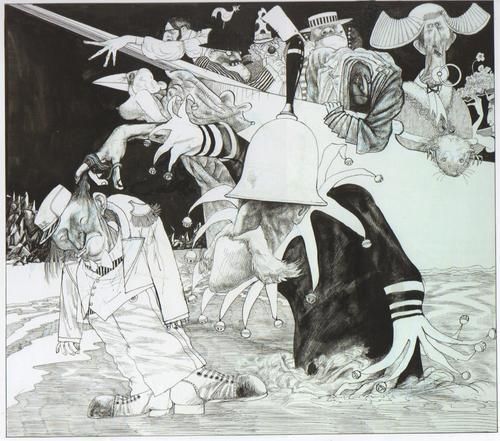
The Improbable Crew.
The Beaver and the Butcher. Both illustrations by Ralph Steadman.
Their method of luring the Snark out of its hiding place is eccentric, to say the least:
“They sought it with thimbles, they sought it with care;
They pursued it with forks and hope;
They threatened its life with a railways share;
They charmed it with smiles and soap”.
Making a hard task even more difficult is the fact that the map they are using to look for the Snark is completely blank…
The Hunting of the Snark was originally illustrated by Henry Holiday. Again, I must confess, I prefer the more recent, 1976 ,Ralph Steadman drawings because his wonderfully warped, ink-splattered style seems custom-designed for Carroll’s off-the-wall, phantasmagorical tale..
Another odd fact about the poem is that Carroll reputedly wrote it backwards, writing the last sentence first.
There have been numerous theories as to what it all actually means. Some see the voyage as a search for truth and meaning; others think it is about the pursuit of happiness (a view Carroll, himself, apparantly favoured). There is another view that it deals with our existential angst.
This last theory ties in with my interpretation of the poem – that what they are desperately seeking is a cure for Covid-19.
In 1947 South
Africa welcomed King George VI and Queen Elizabeth and their two
daughters, Princess Elizabeth (the future Queen) and Princess
Margaret on a Royal Tour which the then Prime Minister, General Jan
Smuts, hoped would put a positive spin on the country and its
achievements. For their part the British saw the visit as an
opportunity to not only thank South Africa for their contribution to
the war effort but also to reinforce the concept of a constitutional
monarchy as the binding force behind the Commonwealth.
As the author of The Last Hurrah: South Africa and the Royal Tour of 1947, Graham Viney, shows, in his persuasive and beguiling guide, not all went quite to script. Indeed, the whole lengthy and carefully planned shindig proved to be something of a double-edged sword.
While most
English-speaking, white South Africans greeted their Royal Guests
with an enthusiasm and patriotic fervour that is now hard to imagine,
others saw it as a golden opportunity to highlight their various
causes. Many Afrikaners, still smarting from their treatment during
the Boer War, were deeply resentful and used the visit as a platform
from which to push their conservative, pro-republic, agenda. At the
other end of the political spectrum, the ANC saw it as a chance to
expose the evils of racial segregation
Although it brought
the world’s focus on to South Africa and it policies, the Royal Tour
of 1947 was not able to stall the country’s massive lurch to the
right. Shortly afterwards, Smut’s government was defeated at the
polls and the National Party took over the reins of power. The
apartheid era was about to begin.
Reading about it
all, seventy-odd years on, it is hard not to be impressed by the
sheer stamina of the Royal Party as they travelled 11 000 miles,
mostly by train, visited hundreds of out of the way dorps, shook
hands with over 25 000 people, attended countless boring functions,
and were seen by 60-70 per cent of the country’s population. Queen
Elizabeth, in particular, proved a fine ambassador. Gracious,
friendly, beautiful and reassuringly normal, she seems to have
charmed everyone she met.
Very much a blast
from the past, Viney’s book offers a revealing snapshot into a now
all but vanished world. Shrewd and absorbing in the way it captures
the complicated politics of the time, his fast-paced account pedals
along with never a dull paragraph as facts, events, characters and
period photographs flash by.
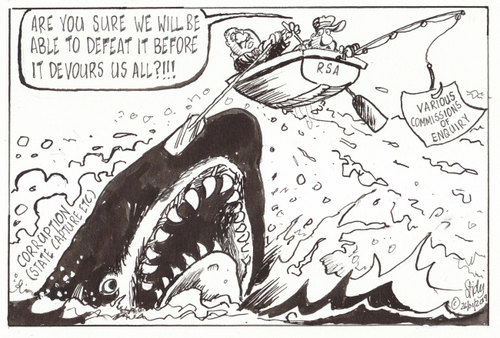
You didn’t need a crystal ball to predict how 2019 would begin – with yet more evidence of corruption and malevolent greed among the ruling elite being put before the Zondo Commission of Enquiry in to State Capture.
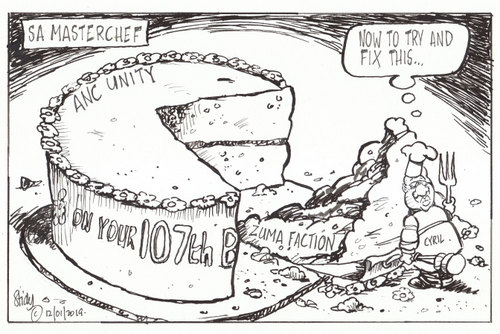
It was perhaps to try and deflect attention away from all the dirt being dished on them that the ANC decided to hold yet another big birthday bash for itself even though the anniversary being celebrated seemed, to some commentators anyway, a pretty arbitrary one – 107 (100 you could understand, or even 110).
Cyril Ramaphosa and Jacob Zuma used the occasion to make a big public show of solidarity but – again you didn’t need to be a psychic to predict this – it was too good to last. Within a few weeks Zuma was accusing Ramaphosa of being “defeatist” because of his comments about South Africa’s “lost years”.
Zuma and his disastrous legacy have, it would seem, become Ramaphosa’s albatross…
In neighbouring Zimbabwe, a brutal crackdown by the army and police on people protesting an enormous petrol price hike dashed any lingering hopes that the end of the 37-year old rule of the autocratic leader Robert Mugabe, 14-months earlier, would lead to significant political reform.
On the 7th February, President Cyril Ramaphosa delivered his much anticipated State of the Nation Address (SONA). While his plans to turn South Africa around were laudable, the jury is out on whether he will be able to deliver on his promises.
Within days of the speech the unions, led by COSATU, were throwing up obstacles in front of his proposed ESKOM reforms. As if to compound the general gloom over the future of the parastatal, this was immediately followed by more rolling black-outs.
The fact that this occurred so soon after SONA made some suspect deliberate sabotage. I certainly wondered if someone was trying to foil my plans – I had just sat down to draw a cartoon on the subject for the Weekend Witness when the lights went out…
The immediate and substantial risk ESKOM poses to the South African economy was also the main focus of Finance Minister, Tito Mboweni’s Budget Day speech. Promising “no free lunches” Mboweni said the Government would not bail-out the embattled power utility although he did allocate R23billion per annum for three-years as a support package with conditions.
Whether ESKOM can actually be fixed is open to question. So once again it is a case of “Watch this space…”
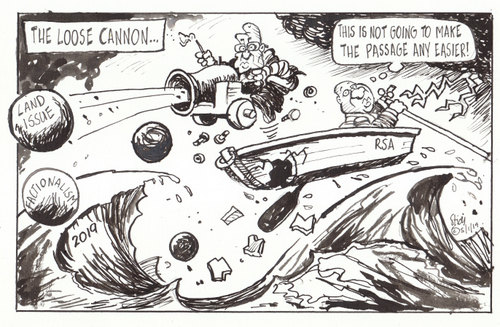
Jacob Zuma continues to rock the boat.
Not a very dainty dish…
Crackdown in Zimbabwe.
President Ramaphosa attempts to defeat the beast.
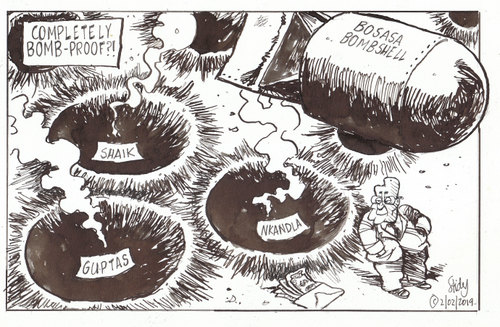
Jacob Zuma continues to live a charmed life.
President Ramaphosa promises to take action in his State of the Nation Address.
Eskom’s woes continue, impacting on the whole country.
Finance Minister, Tito Mboweni, promises to take action in his Budget Day speech.






















 Stidy's Eye